
Kentucky alcohol rehab, step by step
Kentucky alcohol rehab begins with one phone call to a free, confidential helpline. There are 378 SAMHSA-listed facilities across the state, including 49 that offer medical detox. This page explains each step before it happens.
Finding alcohol rehab near you
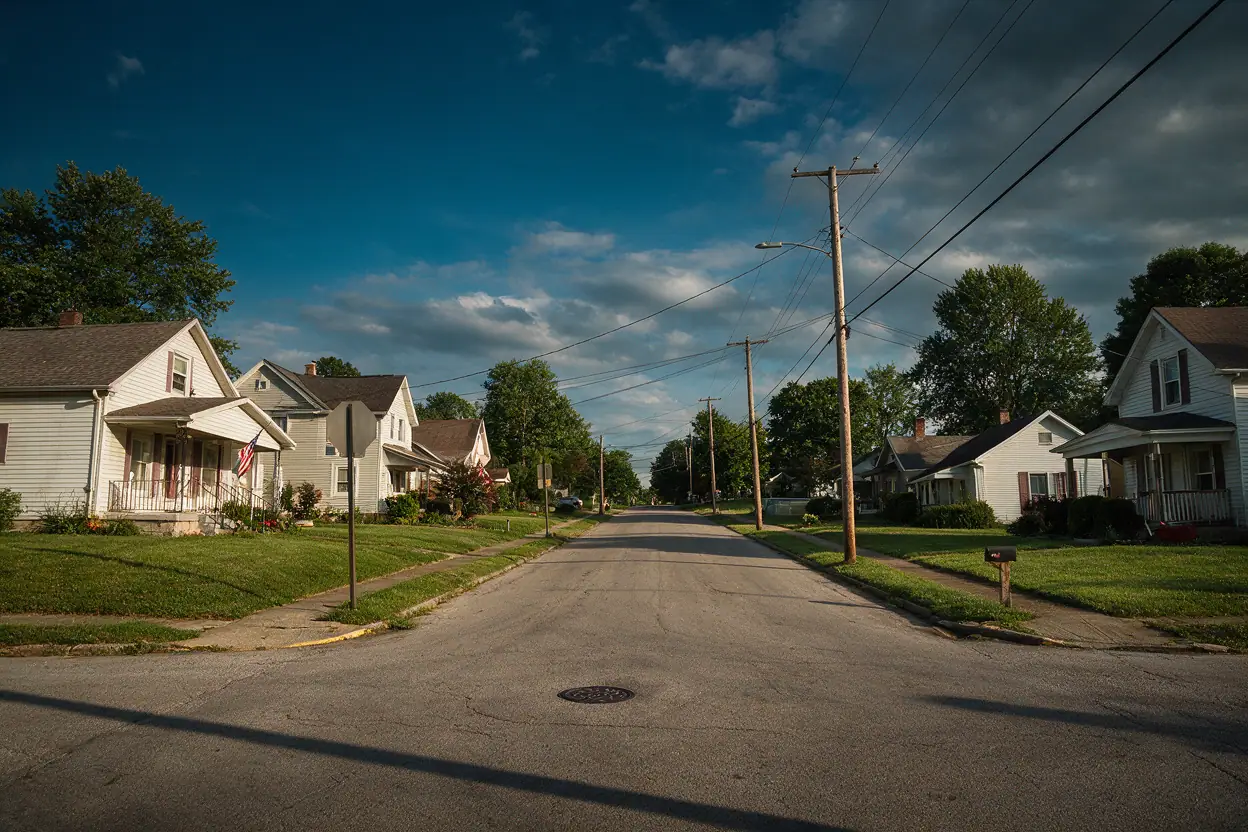
Treatment exists in every corner of the state, though the concentration is uneven. Lexington has 31 listed facilities and Louisville has 30, while Bowling Green has 14, and Ashland, Elizabethtown, and Owensboro each have 10. In Kentucky, 9 facilities are listed in Morehead and 9 in London, so smaller cities are not empty. If traveling is hard, then an advisor can check what is available within a reasonable drive before anything else. If someone needs to stay close to family or a job, then Kentucky rehabs should be filtered by distance first. When a local program has a wait, then nearby counties or telehealth options are the next thing to look at — 332 listed facilities offer telehealth.






What to expect when you call in
Advisors linked to licensed programs answer the helpline 24/7; the site itself does not, since it neither treats nor diagnoses anyone. Dialing is free and private, and nobody has to enter care afterward. Advisors on the Kentucky alcohol rehab helpline ask about drinking patterns, prior withdrawal, insurance, and location. They never guarantee admission or coverage — their role is to shrink the list and spell out what each program asks of you.
Plan on a short conversation, usually ten to fifteen minutes. The advisor may ask how much and how often the person drinks, whether they have tried to quit before and how that went, what insurance or Medicaid they have, and how far they can travel. When you call, the advisor can check which of the 378 listed facilities match your insurance and county. If withdrawal risk sounds serious, they will point you to the 49 detox facilities rather than an outpatient program. Nothing is shared without your consent, and calling commits no one to treatment. Another free resource is SAMHSA's National Helpline at 1-800-662-4357, and crisis calls go to 988.
Well-known rehab programs in Kentucky
-
Bowling Green, KY
Stepworks Bowling Green
4.8/521 ratings on Google
- Residential Rehab
- Detox
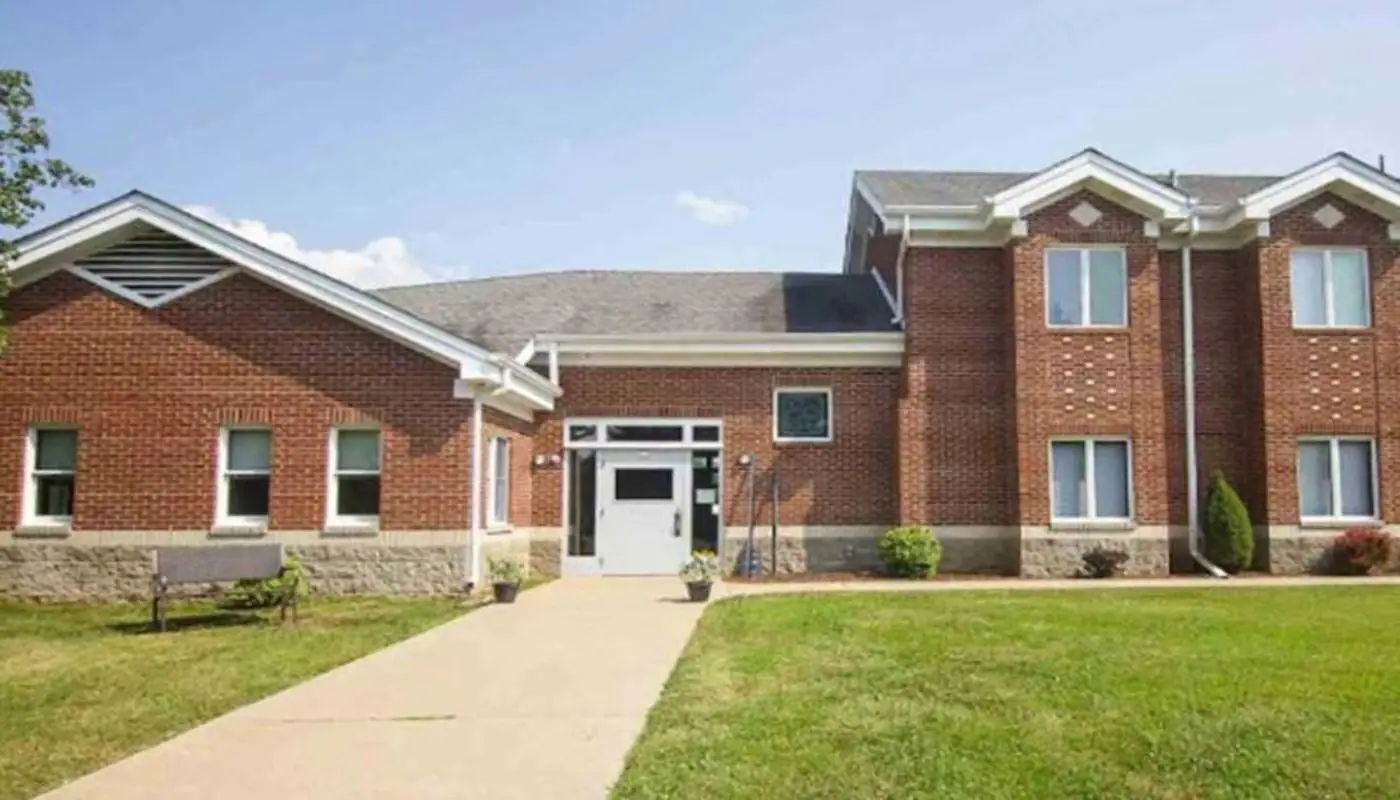
Stepworks Bowling Green is a CARF-accredited alcohol and drug rehab in Bowling Green, Kentucky.
- 30 days program
-
 The Joint Commission
Louisville, KY
Louisville Recovery Center
5.0/536 ratings on Google
- Detox
- Co-Occurring Mental Health
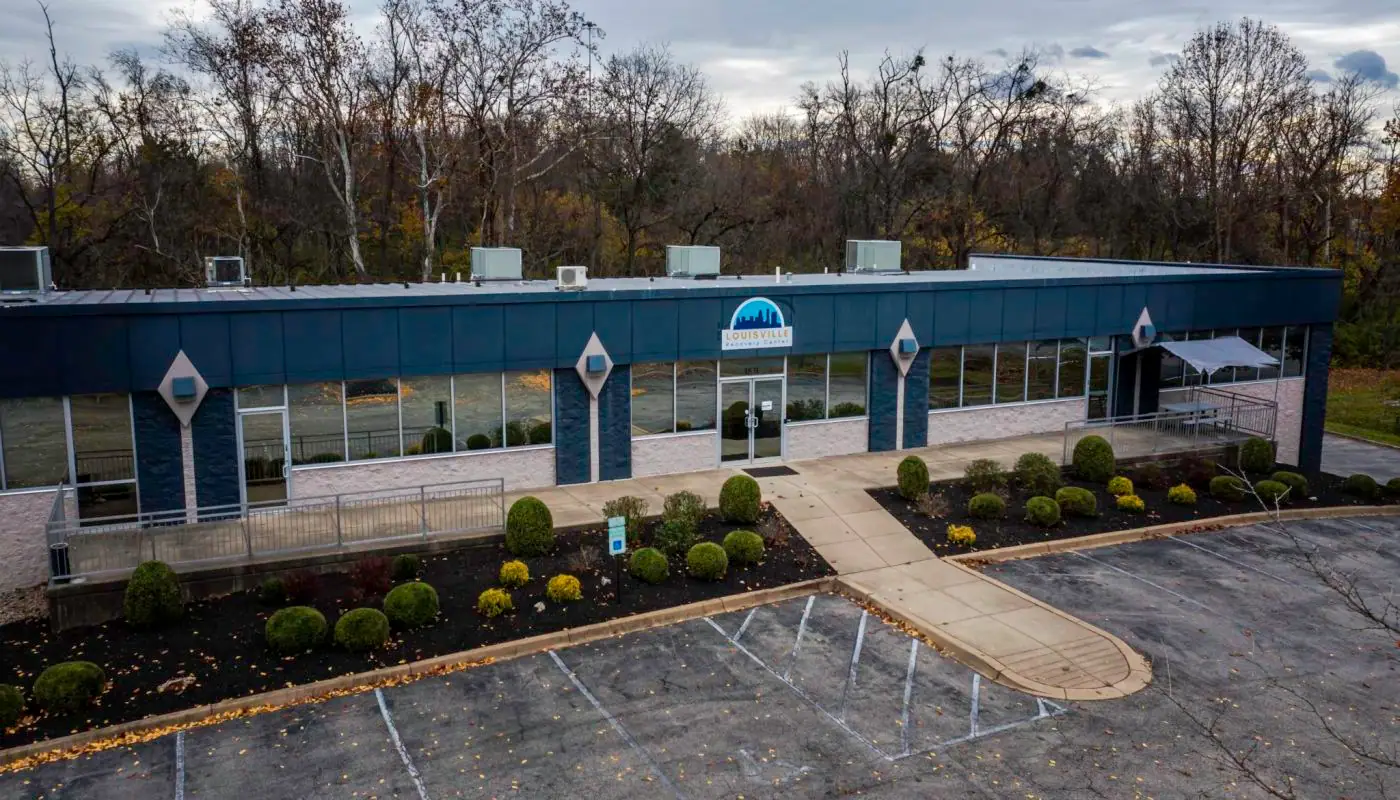
Louisville Recovery Center sits on Williamson Court in Louisville, Kentucky.
- 30+ days program
- 16-30 beds
-

Lexington, KY
Roaring Brook Recovery
5.0/5219 ratings on Google
- Outpatient
- Co-Occurring Mental Health
Roaring Brook Recovery is an outpatient addiction treatment center in Lexington, Kentucky.
- 90 days program
-
 The Joint Commission
Lexington, KY
New Vista Medication Assisted Recovery
3.8/516 ratings on Google
- Outpatient
- Co-Occurring Mental Health
New Vista Medication Assisted Recovery operates an outpatient program located in Lexington.
- 30 days program
-
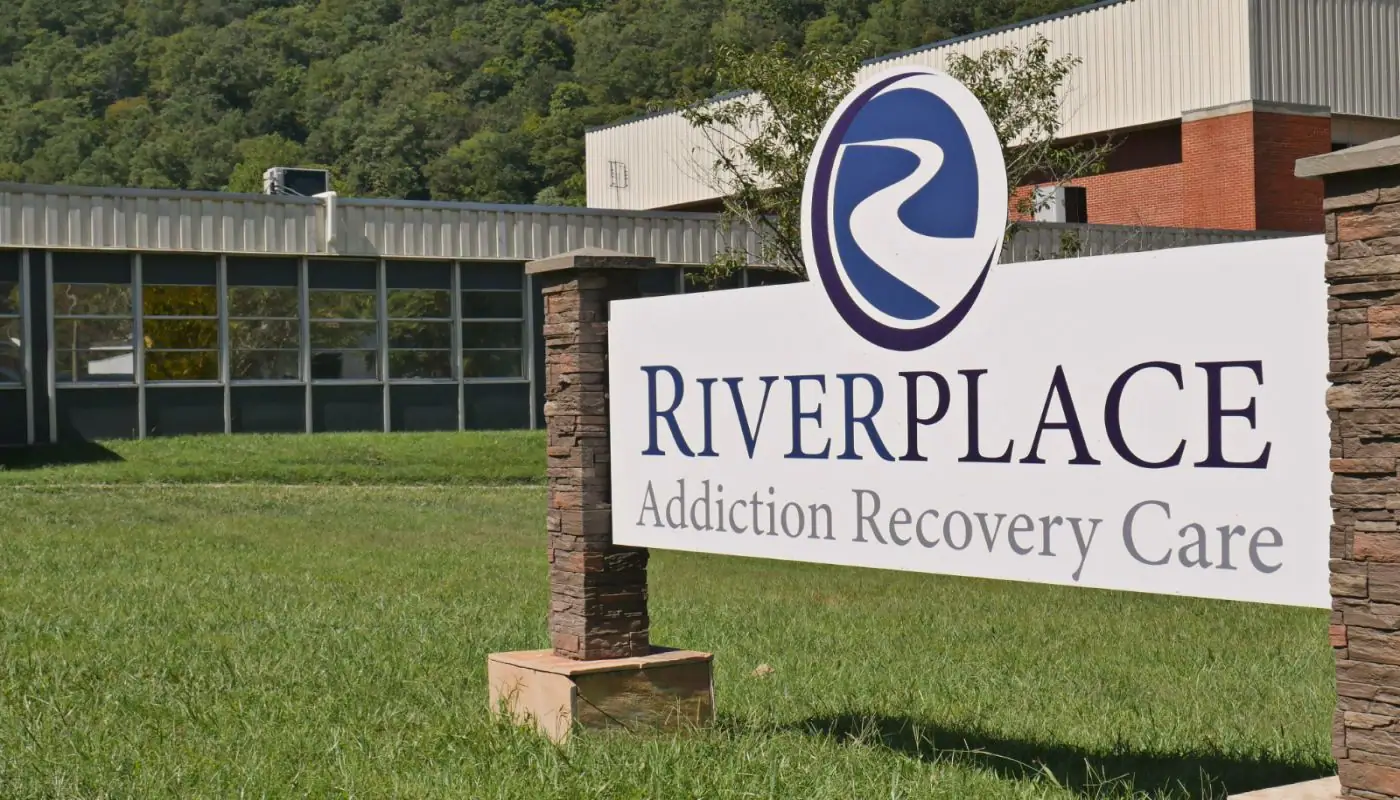
Pikeville, KY
ARC Riverplace
- Residential Rehab
- Co-Occurring Mental Health
ARC Riverplace Pikeville is a residential rehab for men only in eastern Kentucky.
- 30 days program
-
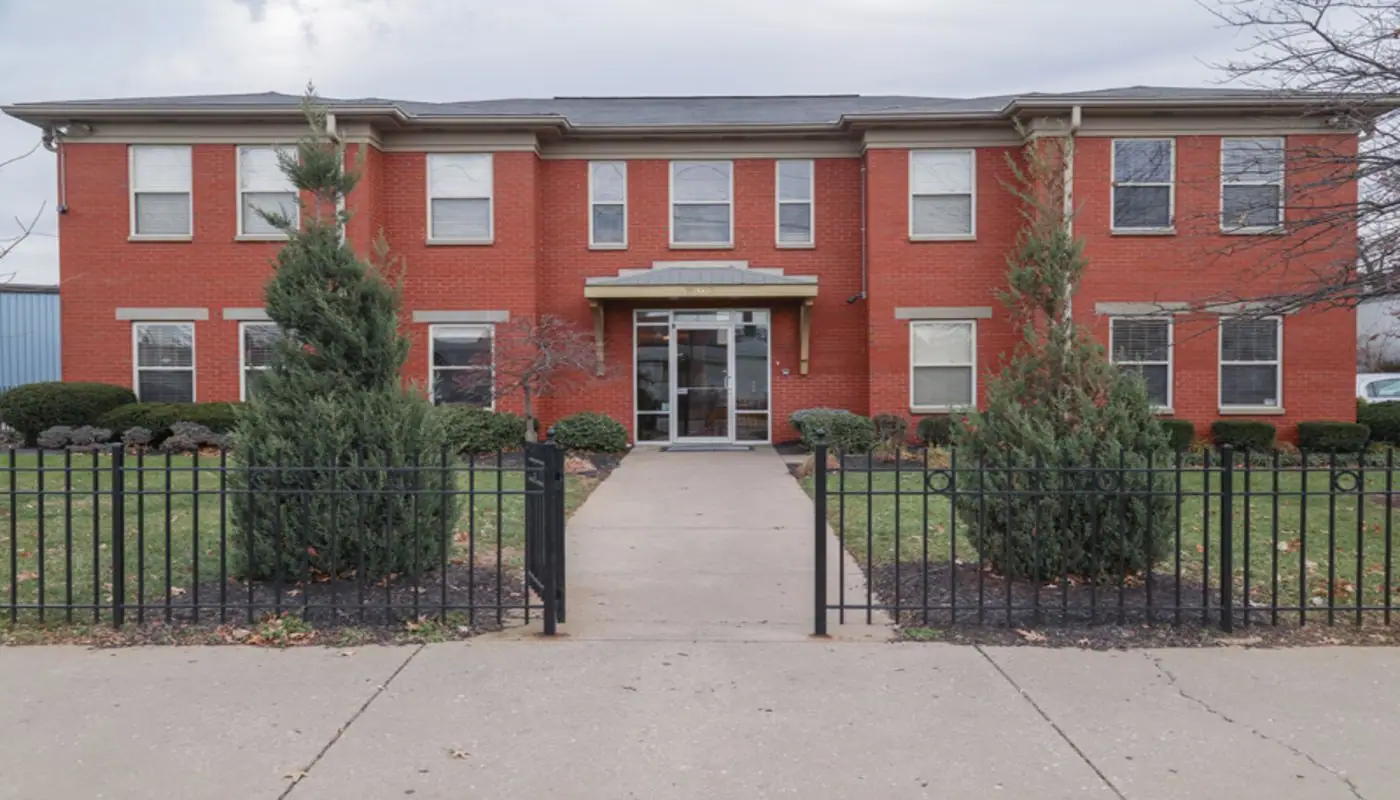
Louisville, KY
Beacon House Aftercare Program
- Residential Rehab
- Detox
- Sober Living
Beacon House Aftercare Program gives men a sober living setting in Louisville.
- 30 days program
Paying for alcohol rehab in Kentucky
Money is usually the first thing people raise, and there is seldom a single figure to give. Among the 378 listed facilities, 345 take Medicaid, 309 take private insurance, 220 take TRICARE, 209 take state insurance, 360 take self-pay, 145 use a sliding fee scale, 59 provide payment assistance, and 3 charge nothing at all. Kentucky accepts Medicaid at 345 alcohol rehab centers, and Medicaid expansion is in effect here. For anyone with Medicaid, the roster of programs accepting it is broad enough that cost need not stop the search.
Kentucky broadened Medicaid, and its state Medicaid program ranks among the most common ways residents here cover treatment. Most private plans also fall under the federal parity law, so mental health and substance use benefits generally have to be treated comparably to medical ones. If a plan denies alcohol treatment coverage, then asking for the denial in writing gives you something concrete to appeal. Sliding fee scales at 145 facilities and payment assistance at 59 others mean paying yourself is not always the full listed price. Among Kentucky rehabs, 186 use block grant funding, which can support people with limited income.
- take Medicaid
- 345
- accept private health insurance
- 309
- take Medicare
- 261
- provide sliding-scale fees
- 145

Treatment and medications
Alcohol use disorder is a medical condition, and treatment for it is more than detox. Of the listed facilities, 223 offer medication-assisted treatment for alcohol use disorder, including options such as naltrexone (263 facilities) and disulfiram or acamprosate where prescribed. Across Kentucky, 223 alcohol rehab programs offer FDA-approved medications for alcohol use disorder. If someone has tried stopping on their own and started drinking again, then medication support is a reasonable question to raise with a clinician.
Withdrawal is where care is most important. Someone who drinks heavily and stops suddenly can have seizures or other serious symptoms, so clinicians should monitor the process, and nobody should taper alone without clinical guidance. Because alcohol withdrawal can be dangerous, Kentucky detox facilities should be evaluated for medical staffing first. The state has 49 detox facilities and 12 hospital-based programs equipped for that level of monitoring. A program offering only peer support, with no medical oversight, may not be the best first stop for someone with a long history of daily heavy drinking.
- offer alcohol detox
- 40
- prescribe addiction medication
- 223
- intensive outpatient
- 171
What the Kentucky overdose data shows
Provisional Cdc figures for the 12 months through May 2026 count 1,034 overdose deaths in Kentucky overall, down 27 percent from 1,410 in the period before. Opioid deaths fell to 615 from 907, and fentanyl deaths fell to 463 from 741. In the 12 months ending May 2026, Kentucky reported 1,034 overdose deaths, which is a 27 percent decline. The decline is real, yet that number still represents more than a thousand families.
Other substances moved in the same direction: methamphetamine deaths fell to 503 from 654, cocaine deaths to 141 from 189, and prescription opioid deaths to 150 from 230. These figures are about drug overdose broadly, not alcohol alone, but they shape how Kentucky providers screen and refer. In Kentucky, 503 methamphetamine deaths in the same period show polysubstance use is common. When alcohol is mixed with other substances, then detox needs to account for more than one withdrawal picture. Heroin deaths were the smallest category at 18, down from 22.
| Drug | Past year | Prior year | Difference |
|---|---|---|---|
| All overdose deaths from drugs | 1,034 | 1,410 | -27% |
| Opioids of any kind | 615 | 907 | -32% |
| Fentanyl plus synthetic opioids | 463 | 741 | -38% |
| Heroin | 18 | 22 | -18% |
| Opioids by prescription | 150 | 230 | -35% |
| Methamphetamine | 503 | 654 | -23% |
| Cocaine | 141 | 189 | -25% |

Levels of alcohol rehab care in Kentucky
Kentucky has 378 SAMHSA-listed facilities offering some level of substance use treatment. Of those, 49 provide medical detox, 63 provide inpatient or residential rehab, 50 provide partial hospitalization (PHP), 171 provide intensive outpatient (IOP), and 339 provide outpatient rehab. Kentucky alcohol rehab programs range from medical detox to outpatient care across all 378 listed centers. If withdrawal risk is high, then medical detox is typically the first level of care discussed — alcohol withdrawal can be dangerous without supervision.
Which level fits comes down to how much daily structure and medical monitoring a person needs. Someone who drinks heavily each day and has been through withdrawal before may be steered to detox first. With 171 intensive outpatient programs, Kentucky rehabs can support people who need structure but not overnight care. For a person with stable housing and a safe home setting, outpatient and IOP can work well. Where there is no safe place to stay, residential care tends to come up instead. Across Kentucky, 63 residential rehabs and 12 hospital-based programs offer round-the-clock support.
How the intake process works
- 1
Call and describe the situation
A treatment advisor answers 24/7 and asks how much someone drinks, for how long, and whether they have had withdrawal symptoms. That first call costs nothing, stays confidential, and carries no obligation.
- 2
Check payment and location
The advisor compares your insurance, Medicaid, or self-pay situation against the listed facilities near you, including the 145 with sliding fee scales and those that accept Medicaid.
- 3
Get a clinical assessment
The program itself performs an assessment, often by phone, to decide the appropriate level of care: detox, residential, PHP, IOP, or outpatient. No one is admitted without it.
- 4
Start care at the right level
If medical detox is needed, it is scheduled first, with medical supervision for withdrawal. Otherwise, the program sets a start date and explains what to bring and what to expect.
Questions people ask
What are the alcohol rehab centers in Kentucky?
There are 378 SAMHSA-listed facilities in Kentucky offering some level of substance use treatment. Of those, 49 provide medical detox, 63 provide residential rehab, 50 provide partial hospitalization, 171 provide intensive outpatient, and 339 provide outpatient care. The helpline can match you to programs that accept your insurance or Medicaid and are within a workable distance.
Does Kentucky Medicaid pay for alcohol rehab?
Yes, Medicaid is accepted at 345 of the 378 listed facilities, and Kentucky has adopted Medicaid expansion. That means more adults qualify than before. Coverage still depends on the specific service and program, so it is worth confirming directly. The helpline can check which programs take Medicaid before you call them yourself.
Do people go to rehab for drinking?
Yes. Alcohol use disorder is one of the most common reasons people seek treatment, and 223 Kentucky facilities offer medication-assisted treatment for it. Rehab for alcohol ranges from medical detox to outpatient counseling. Someone does not need to have hit a dramatic low; a pattern that has been hard to change is reason enough to ask questions.
Is alcohol detox in Kentucky medically supervised?
Correct. Medical staff monitor withdrawal carefully at the 49 SAMHSA-listed detox facilities and 12 hospital-based programs. Quitting alcohol can be hazardous and sometimes life-threatening, so a clinician ought to oversee it. A setting without medical oversight suits poorly anyone who drank daily for years or has had withdrawal seizures before.
Where can I find a recovery house in Louisville, KY?
Louisville has 30 listed facilities, including residential programs. Recovery housing is separate from treatment and varies in cost and rules. The helpline can point to what is listed, and it is worth asking each program whether it offers sober living referrals. Availability changes, so call ahead.
What are the major drug problems in Kentucky?
In the 12 months ending May 2026, Kentucky recorded 1,034 overdose deaths. Opioids accounted for 615, methamphetamine for 503, fentanyl for 463, and prescription opioids for 150. Alcohol is often part of the picture too. These figures come from CDC provisional counts and show why screening for more than one substance matters.
Speak with a person about treatment
One call can trim 378 listed facilities to the handful that fit your insurance, your county, and your withdrawal risk. The helpline costs nothing, stays confidential, and runs 24/7, and nothing obliges you to enter care. Call whenever you feel ready.