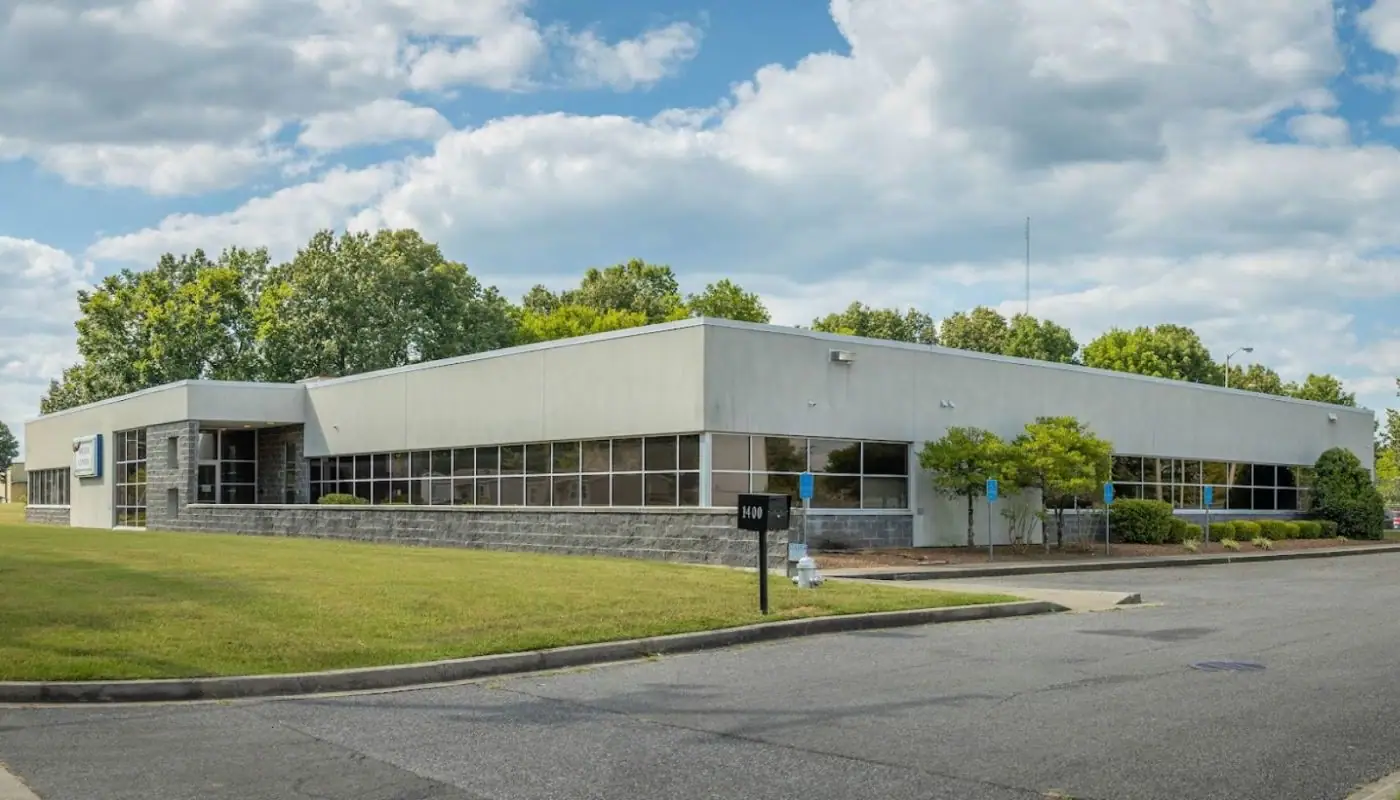
Lifeline Recovery Center Women's Campus Paducah
Lifeline Recovery Center Women's Campus Paducah is a faith-based residential program for women. It is one of 378 SAMHSA-listed alcohol and drug treatment facilities across Kentucky. Learning the daily structure helps you decide whether it fits.
- Residential Rehab
- 150 days
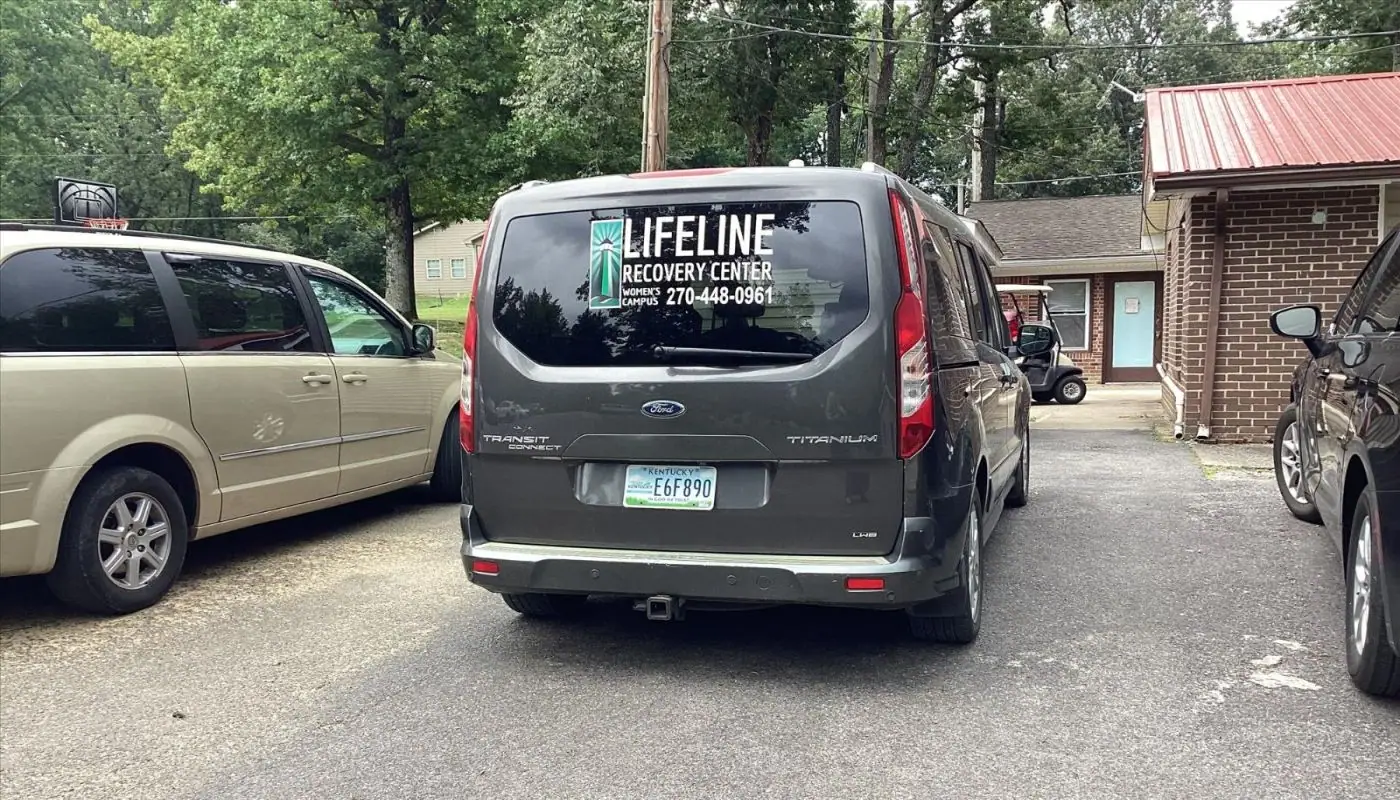
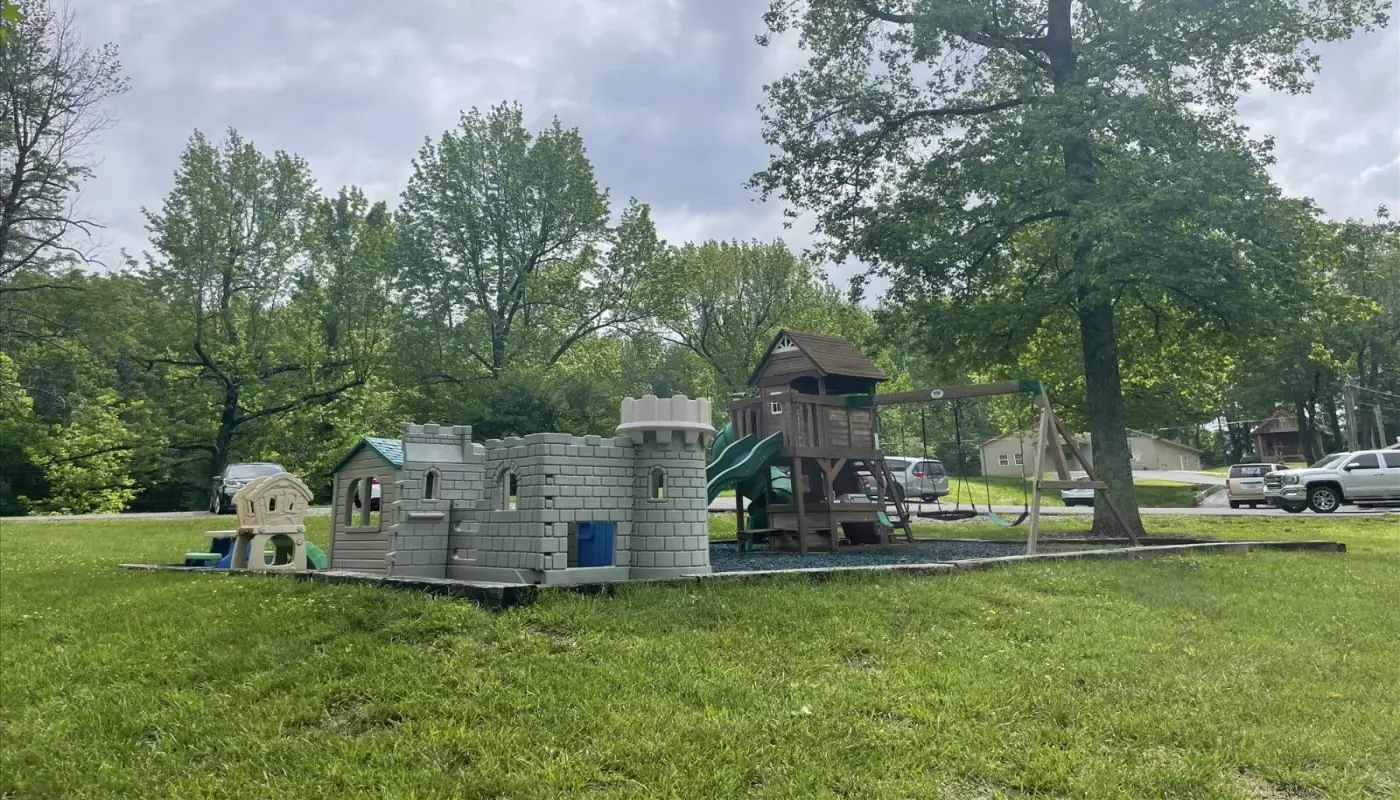
This is a residential recovery program for women in Paducah, Kentucky, and it has been operating since 2004. It approaches alcohol and drug addiction through Christian teaching, personal accountability, and a structured day. The women's campus is separate from the men's program, so the environment is designed around the needs of women in treatment.
The program's stated aim is to support spiritual growth, clear thinking, and physical health. Women take part in Bible study, counseling, and peer support rather than medication-assisted treatment. Staff encourage honesty and responsibility as practical habits, not abstract ideals. You can begin writing to family right away, and phone privileges start after the first two weeks.
Lifeline recovery center women's campus
At this Paducah center, inpatient rehab is the main level of care, and a typical stay lasts 150 days. Therapy covers one-on-one counseling, group and family sessions, life skills, meditation and mindfulness, spiritual care, and Twelve Step facilitation. Women also go to AA or NA meetings and take part in physical fitness. The center describes a longer three-phase timeline of 9 to 12 months, finishing with transitional living and a certificate of achievement. Outpatient treatment is offered as aftercare.
If you need alcohol detox before residential care, then a clinician should assess you first because withdrawal can be dangerous. The center does not list medical detox or medication-assisted treatment, so ask how they coordinate with local medical providers if you need withdrawal support. For women comparing faith-based residential rehab in Kentucky, this campus offers a structured, abstinence-based setting with Twelve Step and Christian teaching.
- Life Skills
- Spiritual Emphasis
- 1-on-1 Counseling
- Twelve Step
- Spiritual Care
- Christian
- Gender-Specific
- Twelve Step Facilitation
- Group Therapy
- Individual Treatment
Who the women's program is built for
- Women only, in a gender-specific residential setting
- Adults seeking help with alcohol use or drug addiction, including methamphetamine, prescription drugs, and synthetic drugs
- People who want a Christian, spiritually focused approach to recovery
- Women who are willing to participate in work and community responsibilities during later phases
- Those who prefer an abstinence-based program without medication-assisted treatment
Setting, amenities, and daily life
The campus is in Paducah, Kentucky, at 2806 Morgan Ln., and it offers air-conditioned shared rooms and outdoor space. Transportation assistance is available for work and court appointments. Smoking is permitted in designated areas, and the program is conducted in English. A typical stay runs 150 days, though the center describes a fuller timeline of 9 to 12 months across three phases.
What treatment costs there in Paducah
The center's list shows cash pay rates, and its description says clients may contribute income earned during the program, with insurance or personal funds covering the rest. When you call to verify insurance, then ask specifically which plans the Paducah campus accepts and what out-of-pocket cost remains after program income. The available facts do not state whether Medicaid is accepted. If you are comparing Kentucky rehab centers that accept Medicaid, confirm your eligibility with the center directly before making plans. That conversation can be started with assistance from our helpline at no cost and with no commitment.
What to ask pre-commitment in Paducah
- How does the three-phase schedule work, and what does each phase require of me day to day?
- What is the actual cost after any income I earn during the program, and which insurance plans do you accept?
- How do family visits, letters, and phone calls work, especially in the first two weeks?
- What happens if I need medical care or withdrawal support during my stay?
- What aftercare is available when I complete the program, and how is transitional living arranged?
- If I need alcohol detox, then how do you coordinate with medical providers in Paducah?


More options for comparison
-
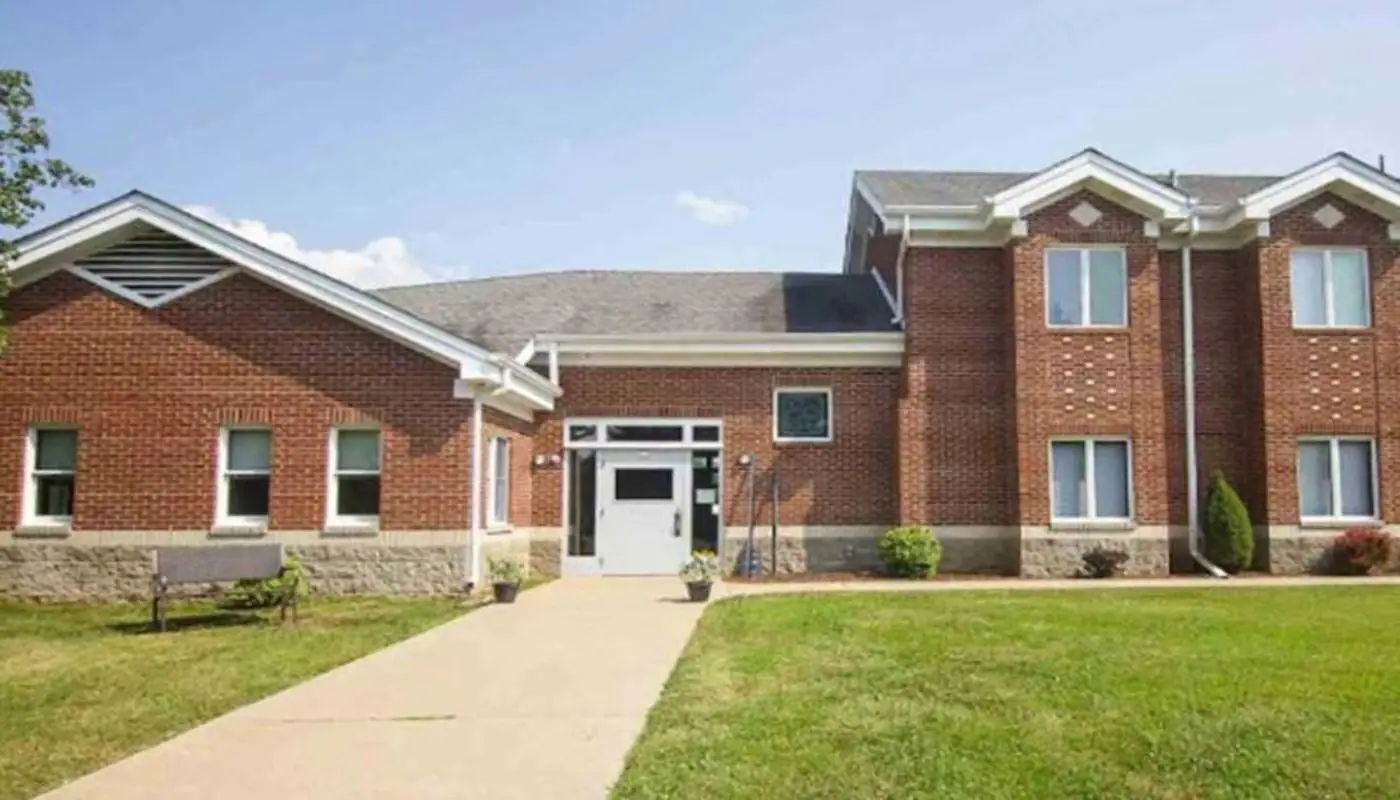
Bowling Green, KY
Stepworks Bowling Green
4.8/521 ratings on Google
- Residential Rehab
- Detox
Stepworks Bowling Green is a CARF-accredited alcohol and drug rehab in Bowling Green, Kentucky.
- 30 days program
-
 The Joint Commission
Louisville, KY
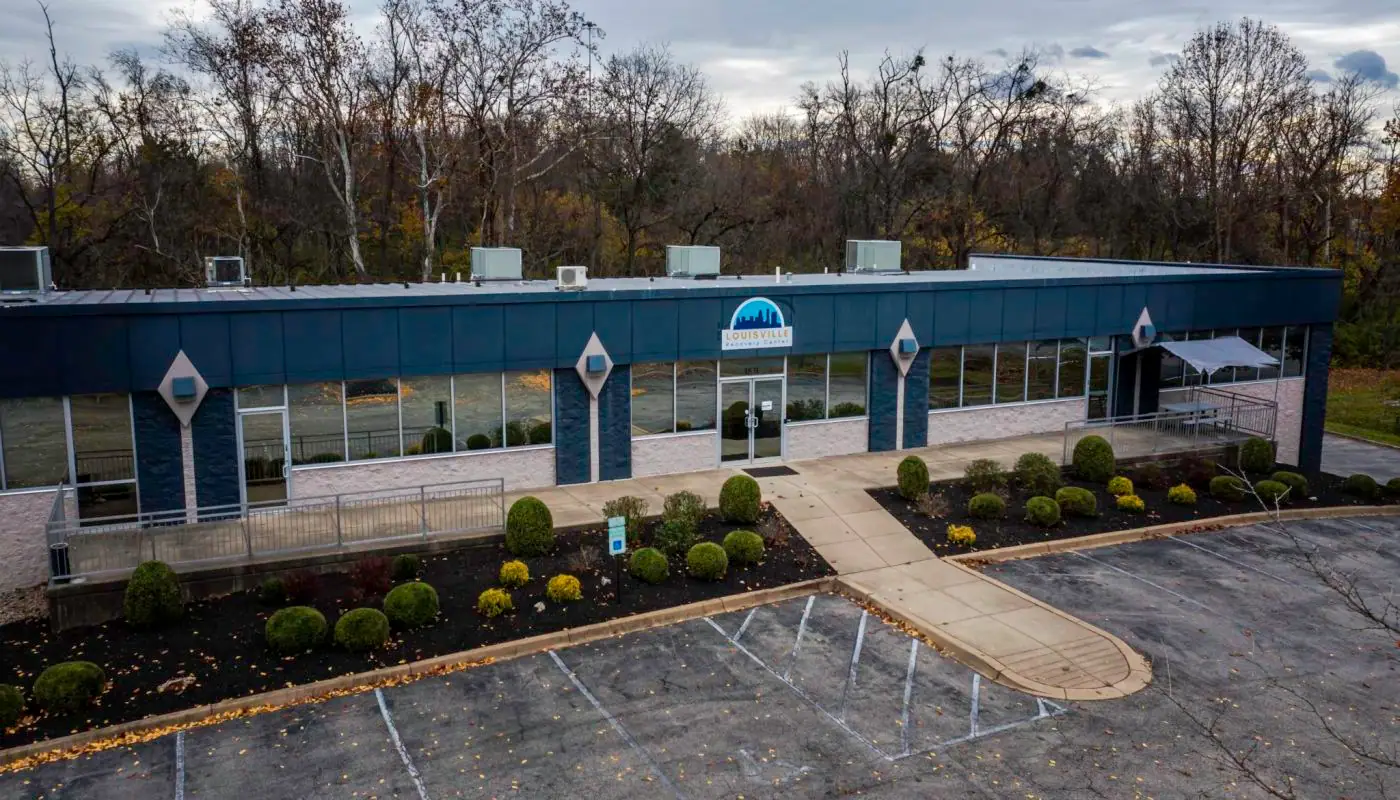
Louisville Recovery Center
5.0/536 ratings on Google
- Detox
- Co-Occurring Mental Health
Louisville Recovery Center sits on Williamson Court in Louisville, Kentucky.
- 30+ days program
- 16-30 beds
-

Lexington, KY
Roaring Brook Recovery
5.0/5219 ratings on Google
- Outpatient
- Co-Occurring Mental Health
Roaring Brook Recovery is an outpatient addiction treatment center in Lexington, Kentucky.
- 90 days program
-
 The Joint Commission
Lexington, KY
New Vista Medication Assisted Recovery
3.8/516 ratings on Google
- Outpatient
- Co-Occurring Mental Health
New Vista Medication Assisted Recovery operates an outpatient program located in Lexington.
- 30 days program
-
Pikeville, KY
ARC Riverplace
- Residential Rehab
- Co-Occurring Mental Health
ARC Riverplace Pikeville is a residential rehab for men only in eastern Kentucky.
- 30 days program
-
Louisville, KY
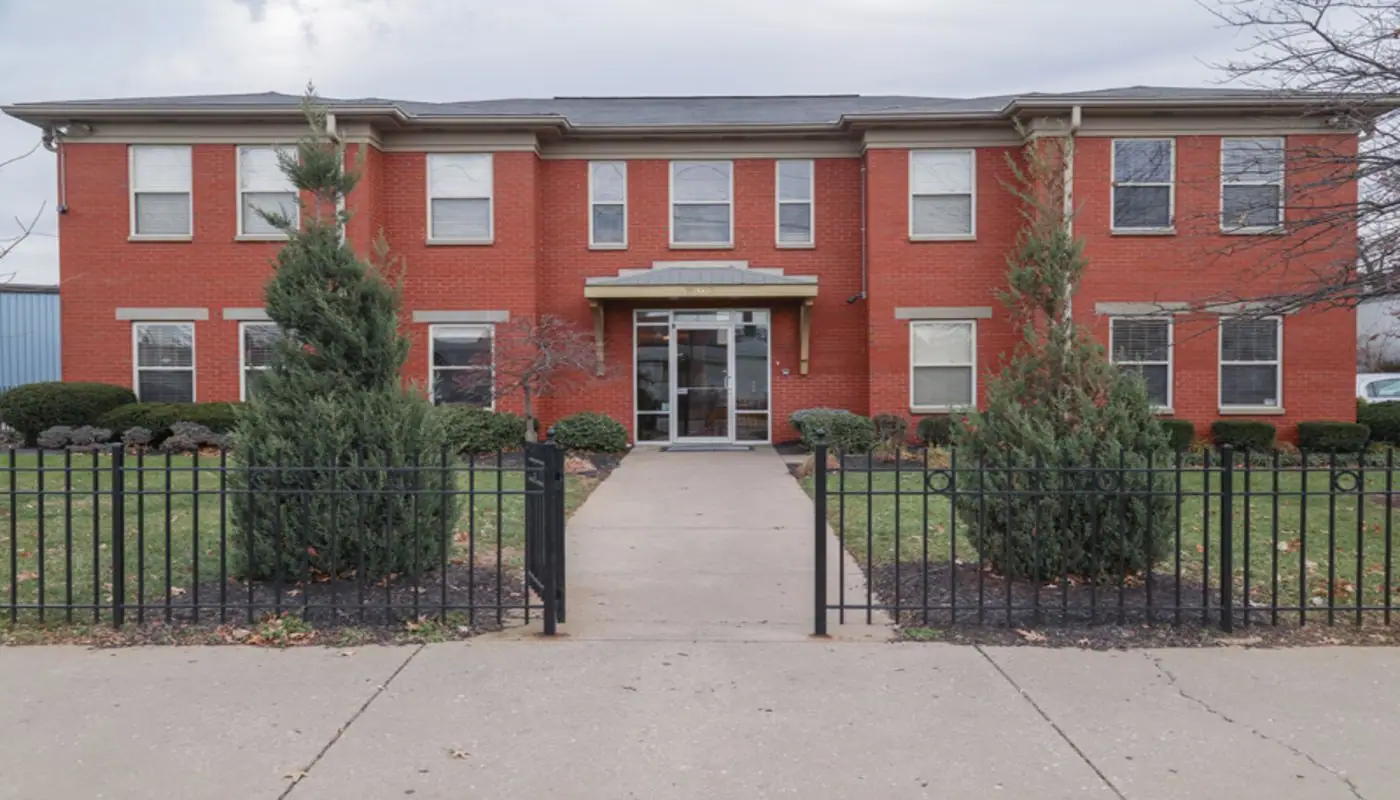
Beacon House Aftercare Program
- Residential Rehab
- Detox
- Sober Living
Beacon House Aftercare Program gives men a sober living setting in Louisville.
- 30 days program

FAQ
What is Lifeline Recovery Center Women's Campus Paducah known for?
It is a Christian residential program for women in Paducah, Kentucky, operating since 2004. The center lists residential rehab with individual, group, and family therapy, plus Twelve Step facilitation and spiritual care. A typical program length is 150 days, and the center describes a three-phase timeline of 9 to 12 months with transitional living at the end.
Does this Paducah women's campus accept Medicaid or insurance?
The center lists private-pay rates, and its description says insurance or personal funds can cover costs beyond income earned in the program. Acceptance of Medicaid is not stated in the available facts, so ask directly. Only a call to the center can confirm what your plan covers and what you would pay.
How long is residential treatment at Lifeline Women's Campus?
The typical program length is listed as 150 days, but the center describes its full timeline as 9 to 12 months across three phases. The first phase centers on counseling and Bible study, the second adds full-time work, and the third provides transitional housing. Ask how your individual pace would affect that schedule before you commit.
Can I detox at this center, and is medication-assisted treatment available?
The center lists residential rehab but not medical detox, and its description says medication-assisted treatment is not part of the program. Alcohol withdrawal May be unsafe so a clinician should evaluate you before you begin residential care. If you need help with withdrawal, ask the center how they coordinate with medical providers in Paducah.
What are the recovery centers in Kentucky for women?
Kentucky has 378 SAMHSA-listed facilities for alcohol and drug treatment, including this women's campus in Paducah. It offers gender-specific residential care with a Christian focus, Twelve Step facilitation, and a typical stay of 150 days. To compare other programs, ask the helpline or check SAMHSA's FindTreatment.gov listings, which are updated regularly.
Is there a recovery house in Louisville, KY?
Louisville has treatment and recovery options of its own, but this campus is in Paducah, about a four-hour drive from Louisville. If location matters, ask the helpline about programs nearer to home. Via trained advisors, callers are connected with licensed providers by the helpline at no cost and without commitment.
Talk through your options in Paducah
The helpline is staffed at all hours by trained advisors who can help you compare programs and check whether this campus has an opening. Calls are free, remain private, and commit you to nothing. When you are unsure whether a faith-based residential program fits, then the advisors can walk through levels of care and payment questions with you.