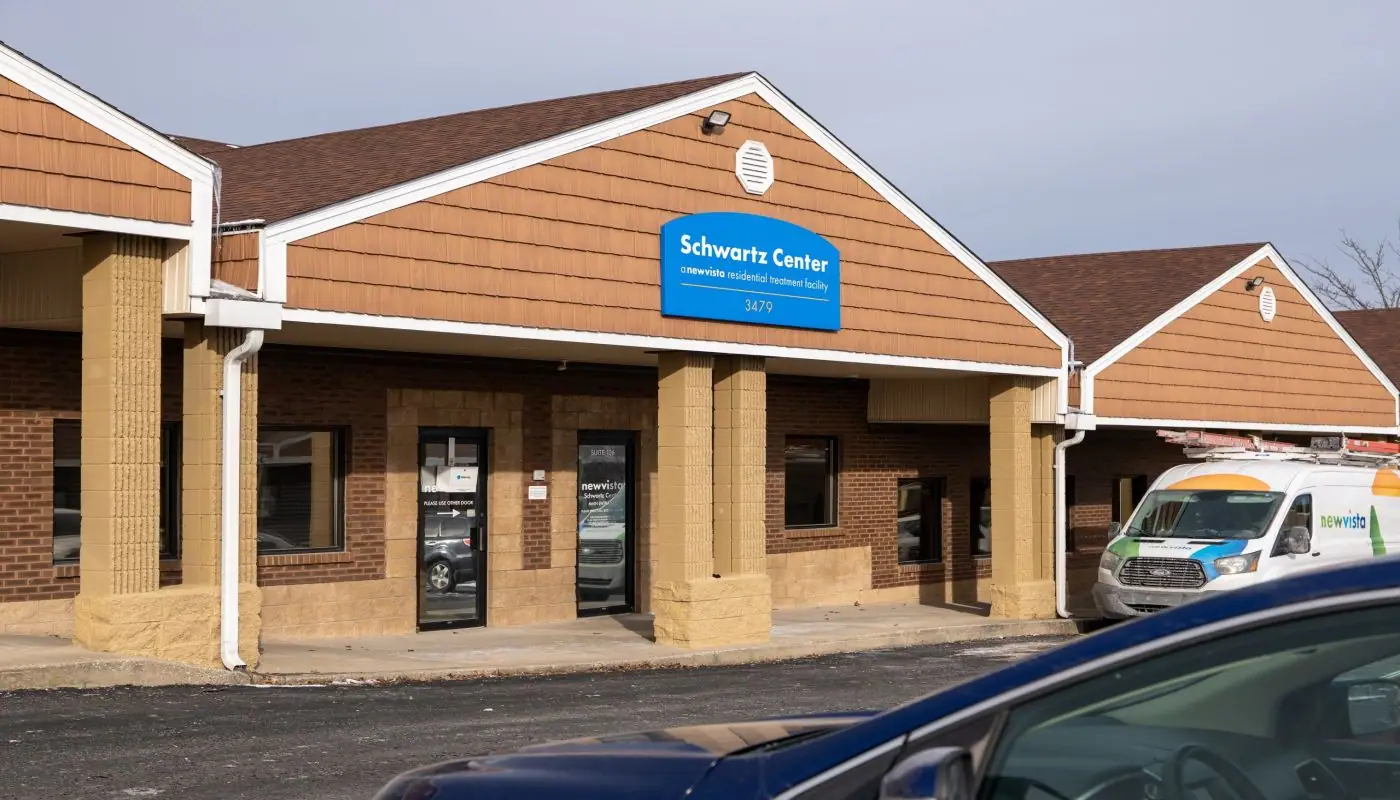
New Vista Schwartz Center Lexington
New Vista Schwartz Center Lexington provides residential alcohol and drug treatment in Kentucky. It is one of 378 facilities listed in November 2026 on SAMHSA FindTreatment.gov. Care typically runs 30 days before stepping down.
- The Joint Commission
- Residential Rehab
- Outpatient
- Co-Occurring Mental Health
- 30 days
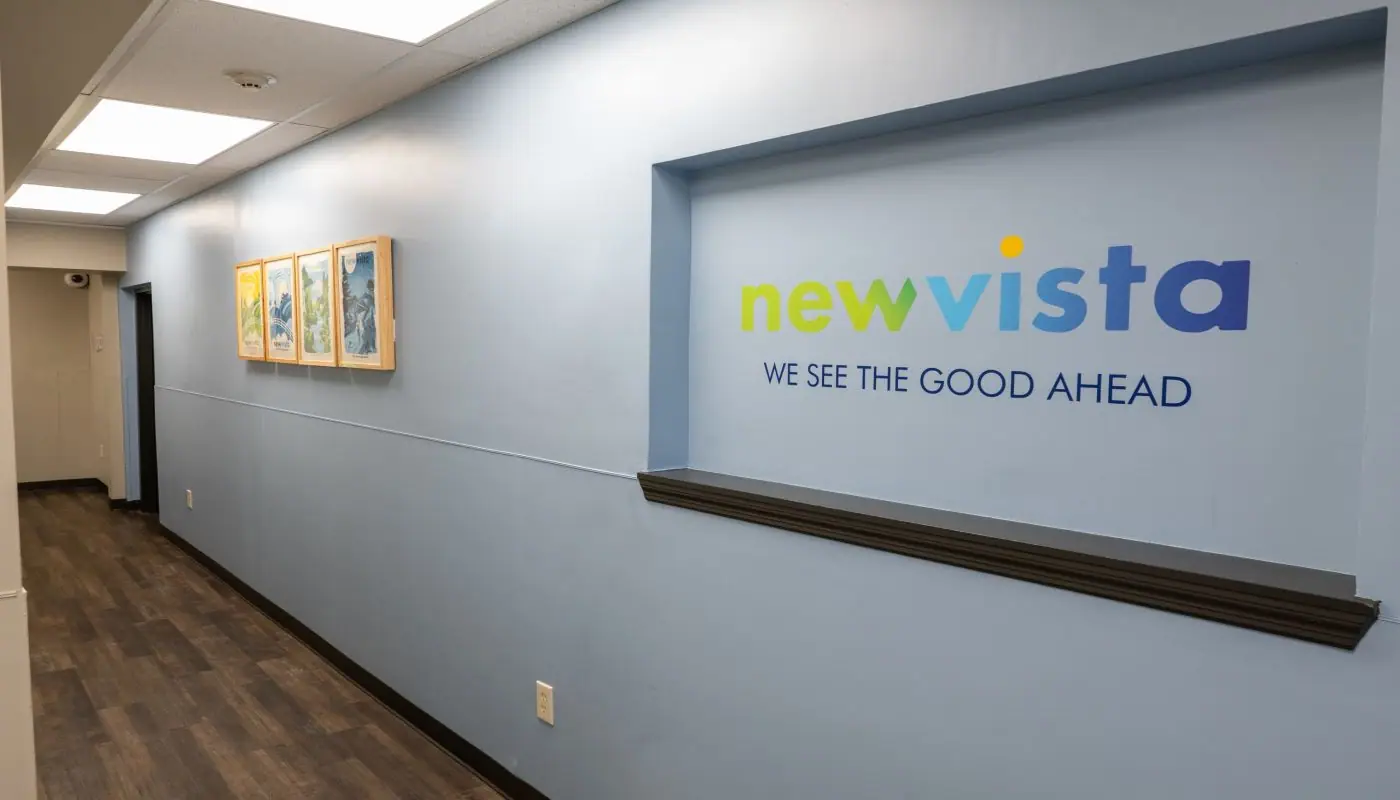

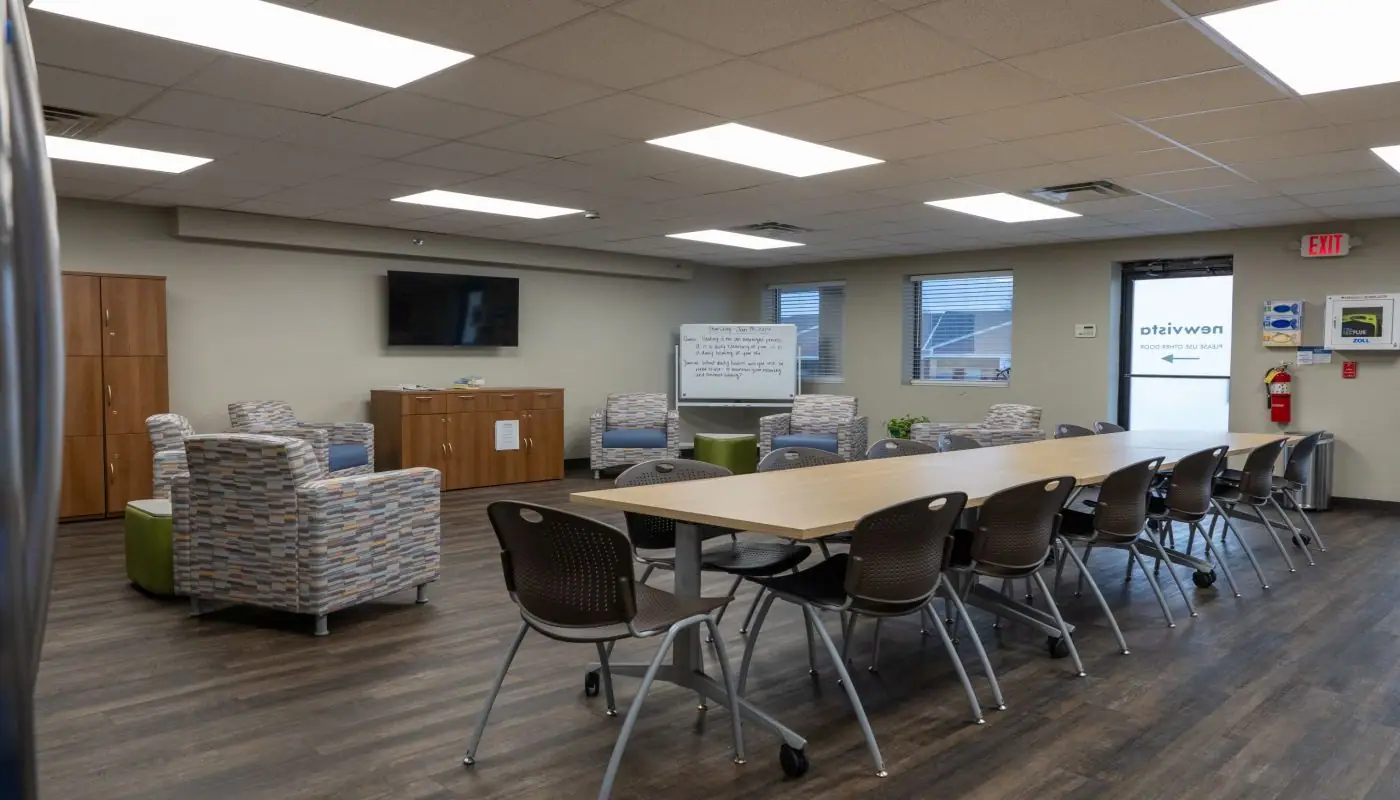
In Lexington, Kentucky, New Vista Schwartz Center Lexington runs a residential program designed for adults addressing alcohol or drug use concerns, including individuals who use medication to maintain stability. The center also handles co-occurring disorders, so a single plan addresses both aspects of a person's health instead of splitting care into separate, disconnected parts. Programs are organized to match each participant's circumstances, and the daily routine follows a predictable schedule.
Each week, residents attend group counseling, individual sessions, family therapy, and classes on how alcohol and drugs affect the body and mind. The stated goal is for people to leave with usable skills: a better grasp of their own habits, coping methods they can put into practice, and daily living abilities that stay with them after discharge. The program does not treat everyone the same way.
The residential setting keeps daily distractions low, with separate accommodations for men and women so people can focus on treatment. Staff arrange transportation for obligations such as court dates and medical appointments, which matters for anyone with legal or health commitments on the calendar. After the residential phase, New Vista steps people into intensive outpatient programming and outpatient counseling, with continued case management.
New Vista Schwartz Center Lexington is one of the 378 treatment facilities listed across Kentucky in SAMHSA's national directory. That number gives families a sense of scale, but it says nothing about which program fits a particular person. A phone conversation is usually the fastest way to learn what a center currently has open and what it expects from someone entering.
New vista schwartz center Lexington
The center's main options are listed as residential rehab, treatment for co-occurring disorders as well as outpatient care. Residential treatment is the core, usually around 30 days, while intensive outpatient programming and standard outpatient counseling act as a step down. Therapy includes cognitive behavioral therapy, individual counseling, group therapy, family therapy, medication-assisted treatment, life skills, trauma-specific twelve step facilitation therapy and relapse prevention counseling. New Vista Schwartz Center Lexington in Kentucky offers residential and outpatient care for alcohol and drug addiction, drawing on evidence-based and individual treatment approaches. Because alcohol withdrawal can become medically dangerous and benzodiazepine withdrawal brings seizure risk, a medical team should monitor anyone who stops abruptly. If detox is needed before residential care, the admissions conversation should address it first, since it changes the level of care.
- Relapse Prevention Counseling
- Individual Treatment
- Cognitive Behavioral Therapy
- Trauma-Specific Therapy
- Evidence-Based
- Life Skills
- Family Therapy
- Twelve Step
- 1-on-1 Counseling
- Twelve Step Facilitation
Who the Schwartz Center is built for
- Adults in Lexington and the surrounding Kentucky area who need residential care for alcohol or drug use, including opioid dependence.
- People already taking or about to start medication for opioid use disorder, who need a program that accepts medication-assisted treatment.
- Men and women who also live with a co-occurring mental health condition and need both addressed in one plan.
- Older adults and young adults, since the center lists both age groups among the people it serves.
- People dealing with trauma, problem gambling, or perinatal mental health concerns alongside a substance use issue.
- Someone preparing to stop smoking as part of a broader change, since smoking cessation is listed among the substances treated.
How long, where, and what languages
Residential care here generally spans about 30 days. The center reports 12 residential spaces for men and 12 for women, with separate accommodations and rooms that are air-conditioned and private or shared. Meetings in the AA and NA tradition are part of the weekly schedule. Services are offered in English, and staff arrange transportation to court and medical appointments when residents need to leave campus.
Paying for care and coverage checks
Self-pay pricing appears among the payment options. No facility's insurance acceptance can be confirmed by this guide, so you need to check any coverage over the phone with the center itself before relying on it. When a plan's details are unclear to you, a call to the helpline can start that verification with a trained advisor; the line costs nothing, stays private, and links you with licensed providers, and calling requires no signature or payment. Be direct about network status, the portion you would owe for a standard 30-day stay, and acceptance of the state Medicaid program, because Kentucky Medicaid enrollment shifts the math a great deal. Settling these answers before a start date keeps billing surprises from appearing afterward.
Good questions to ask before you enroll
- How is a typical day structured during the first week, and how much individual time should I expect?
- How does the program handle withdrawal risk, and when would someone be referred for medical detox before residential care?
- Is medication-assisted treatment continued or started here, and who manages prescriptions?
- How is the step to intensive outpatient programming arranged, and how long does aftercare usually last?
- Is my insurance taken by this center, and what amount would remain for me once benefits apply?
- Can you confirm current bed availability for the men's or women's units and what the wait looks like?


More centers in Lexington
-

Lexington, KY
Roaring Brook Recovery
5.0/5219 ratings on Google
- Outpatient
- Co-Occurring Mental Health
Roaring Brook Recovery is an outpatient addiction treatment center in Lexington, Kentucky.
- 90 days program
-
 The Joint Commission
Lexington, KY
New Vista Medication Assisted Recovery
3.8/516 ratings on Google
- Outpatient
- Co-Occurring Mental Health
New Vista Medication Assisted Recovery operates an outpatient program located in Lexington.
- 30 days program
-
Lexington, KY
Altruism Counseling Services
4.5/548 ratings on Google
- Residential Rehab
- Outpatient
- Sober Living
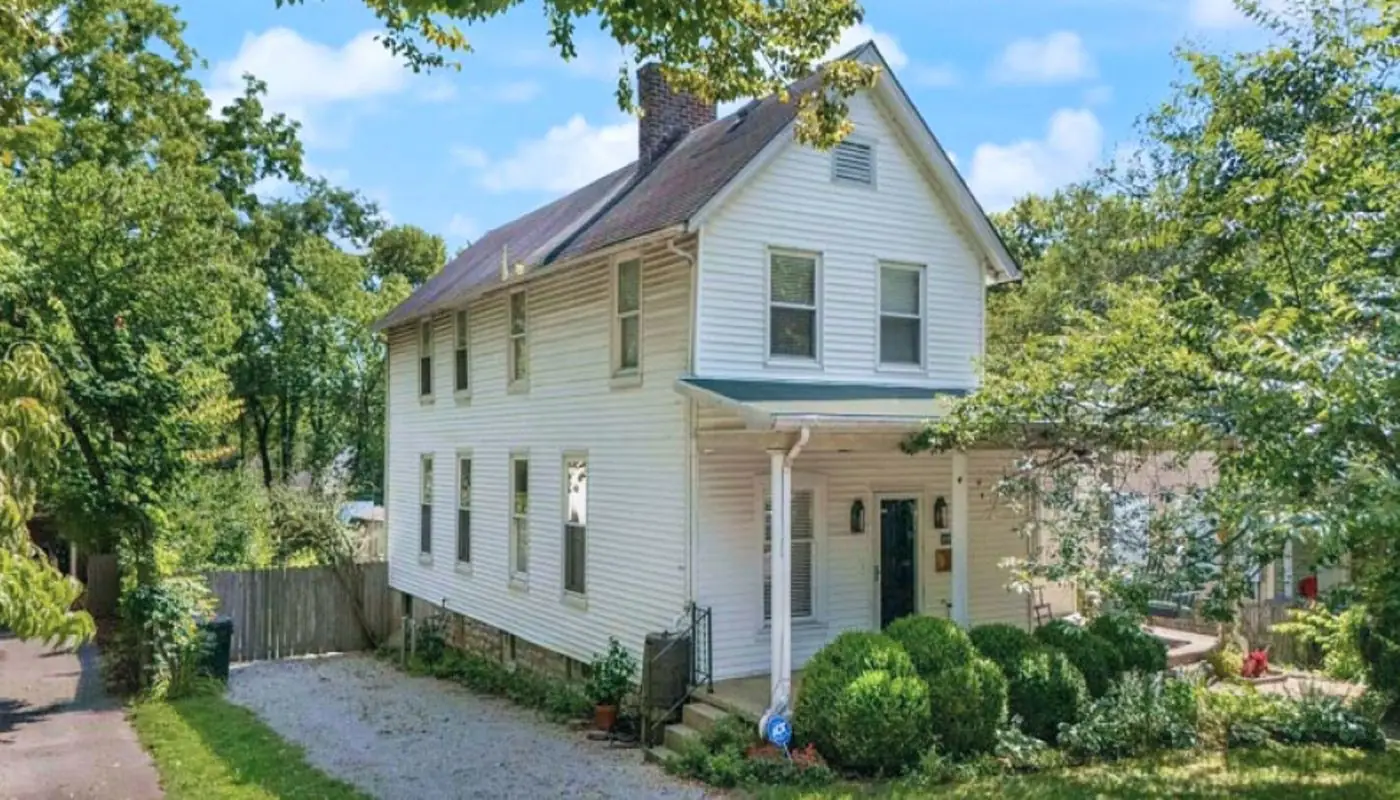
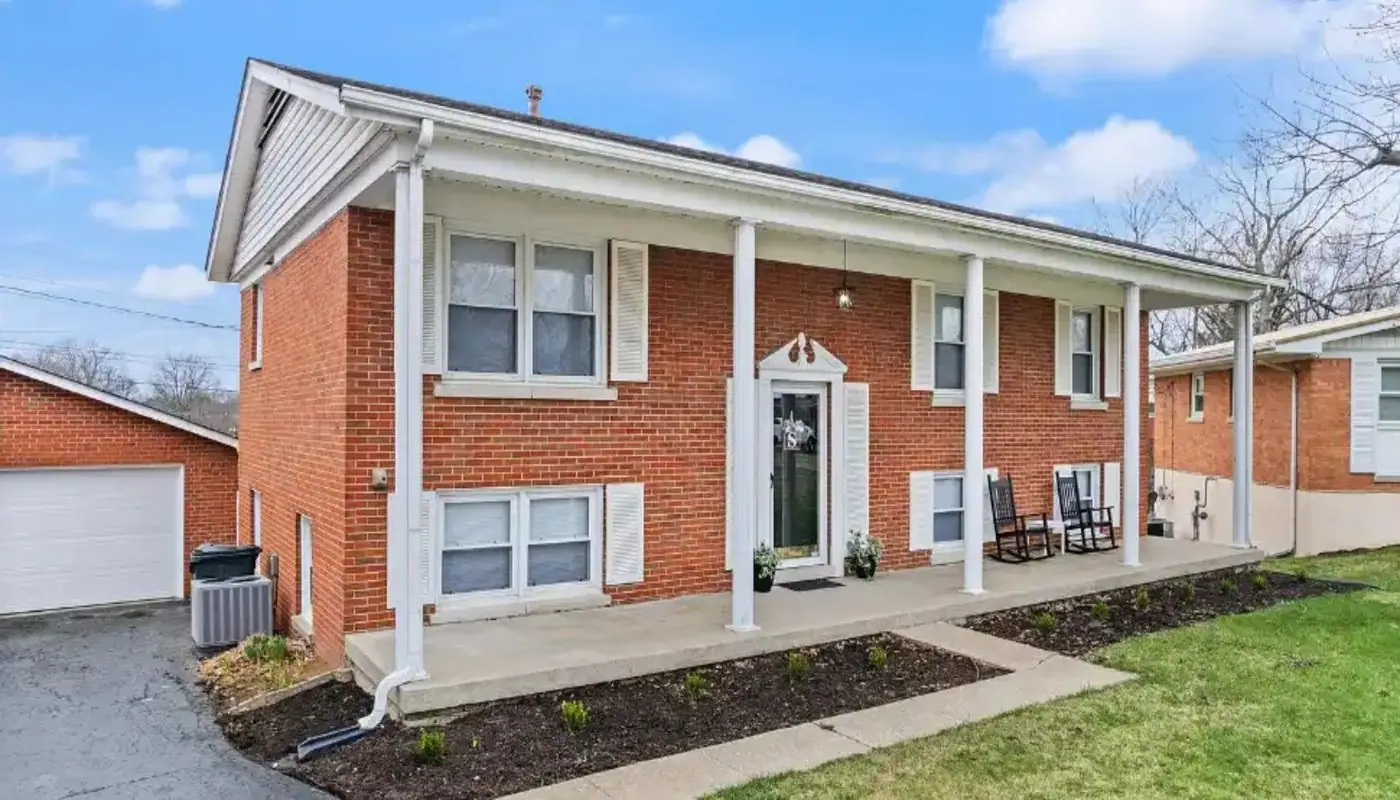
Altruism Counseling Services – sober living at Chloe's House Lexington is a women-only program on West 6th Street.
- 30 days program
-
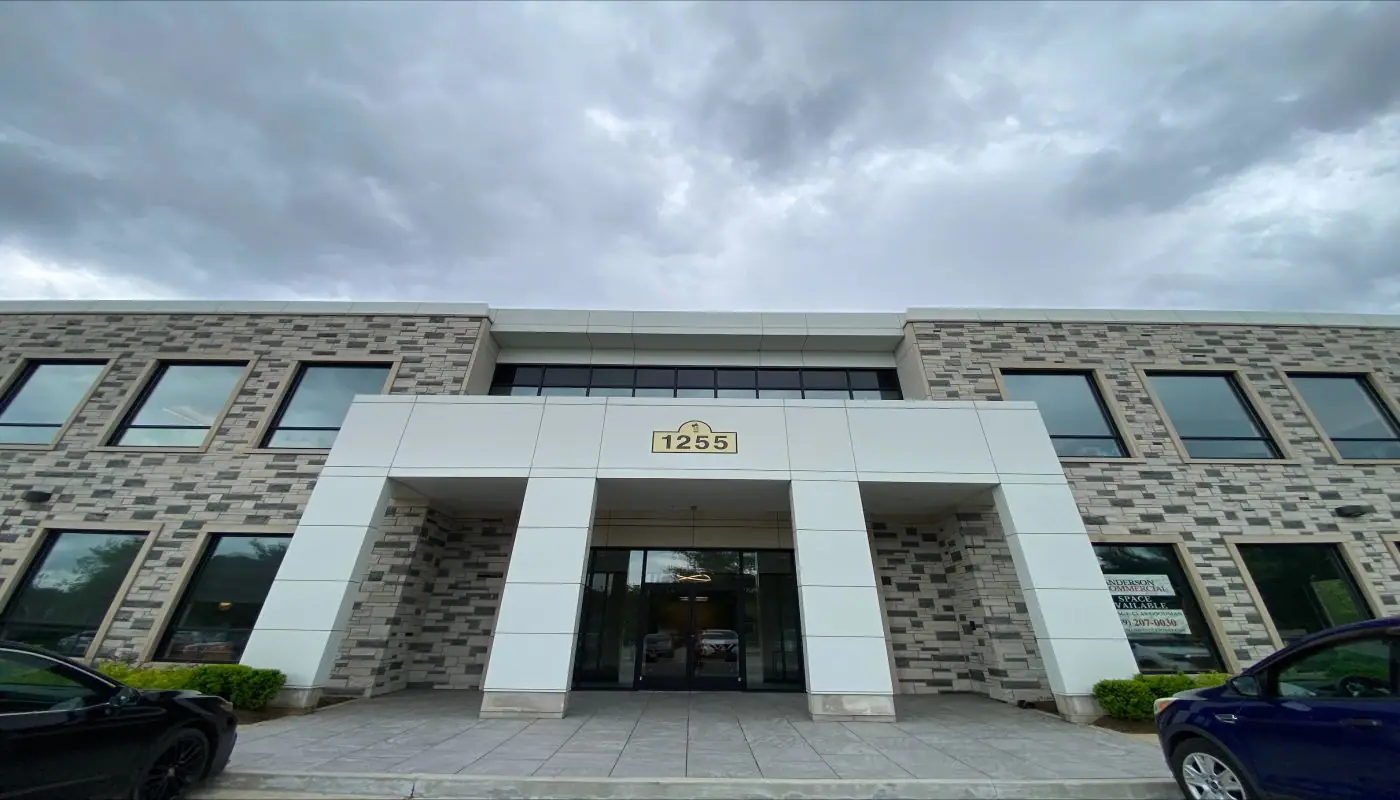
Lexington, KY
LifeStance Health Lexington Providence
- Outpatient
In Lexington, Kentucky, LifeStance Health Lexington Providence Parkway is an outpatient clinic.
- 30 days program
-
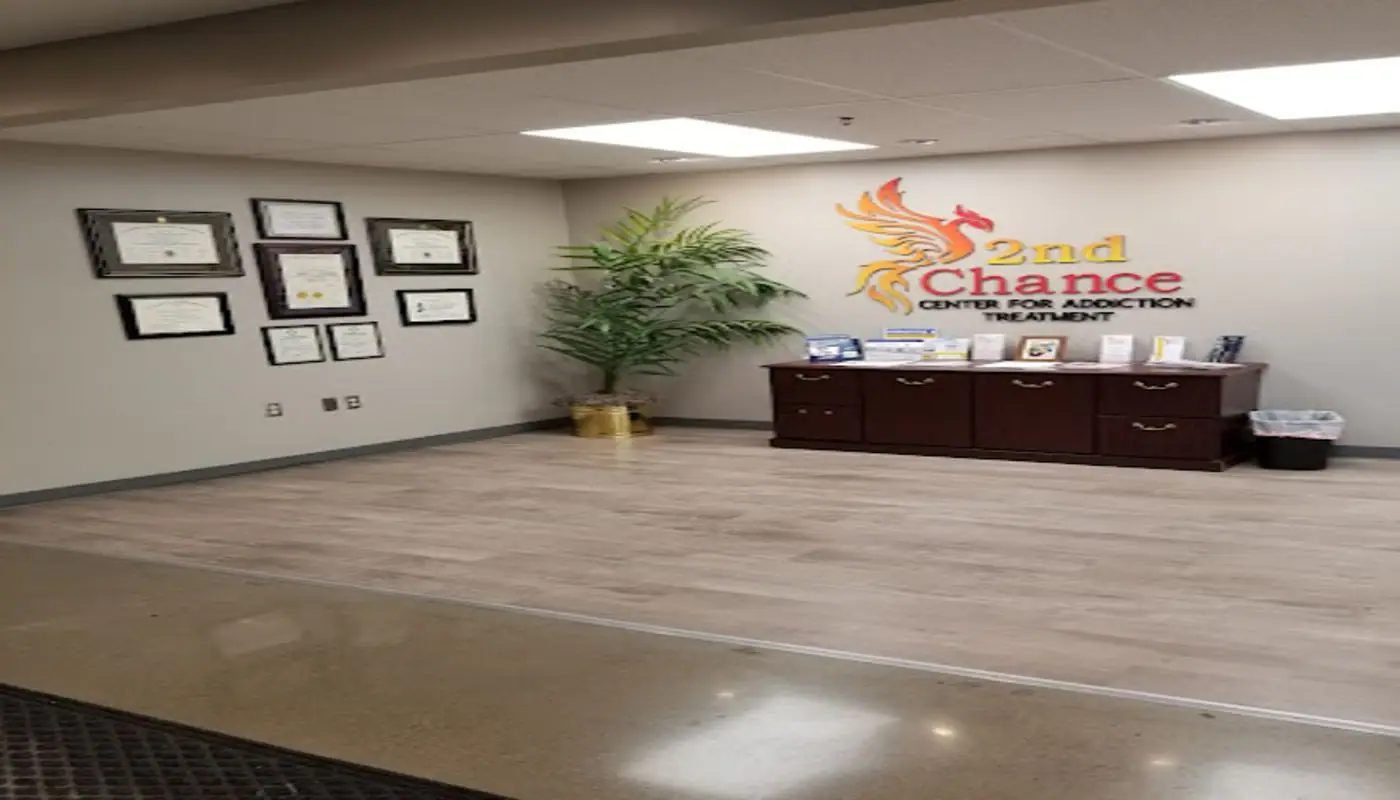
Lexington, KY
2nd Chance
4.1/544 ratings on Google
- Outpatient
2nd Chance is an outpatient alcohol rehab in Lexington, Kentucky.
- 30 days program
-
Lexington, KY
Altruism Counseling Services
4.5/548 ratings on Google
- Residential Rehab
- Outpatient
- Sober Living
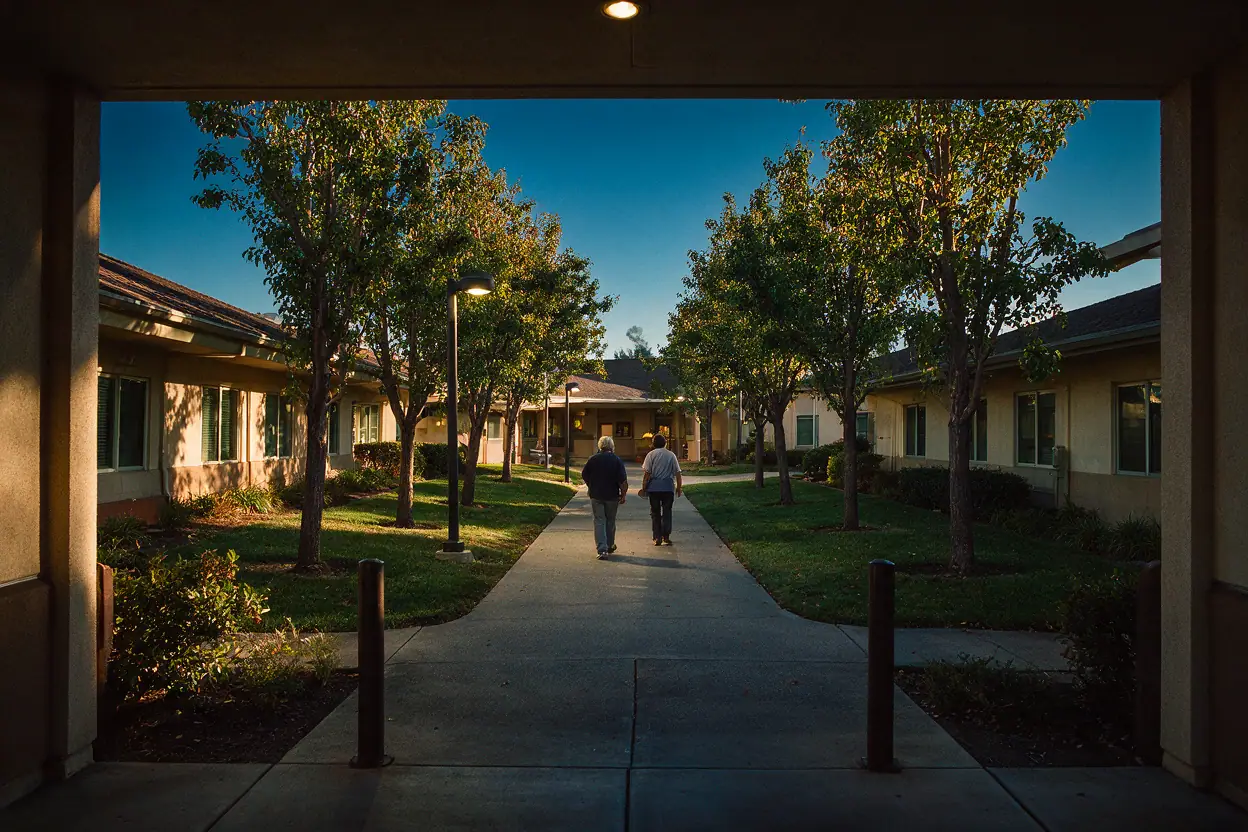
Altruism Counseling Services Lexington KY operates Sober Living at Amanda's House.
- 30 days program
FAQ
Is New Vista Schwartz Center Lexington accredited?
Yes. New Vista Schwartz Center Lexington holds Joint Commission accreditation, a widely recognized credential for health care organizations. That status is one signal worth confirming when you call, along with the center's current licensing. Accreditation speaks to how an organization is reviewed, not to outcomes for any one person, so pair it with questions about staffing, medical oversight, and the specific level of care you need.
How long does treatment last at the Schwartz Center?
The residential program typically runs about 30 days. After that, New Vista continues care through intensive outpatient programming and outpatient counseling, with case management, relapse prevention work, and support meetings. Length of stay can shift based on clinical need, so the admissions conversation should cover what determines a planned discharge date. Ask what happens if someone needs more time than the standard residential window allows.
Does the center treat opioid use as well as alcohol?
Yes. The center lists alcohol, drug addiction, co-occurring disorders, and opioids among the substances it treats. People already taking or beginning medication for opioid use disorder are among those the program is designed for, which matters because not every residential program accepts medication-assisted treatment. If you or someone you know takes buprenorphine or methadone, then confirm continuity of that medication before admission.
What should families expect during the 30 days?
Family therapy is part of the program, so relatives are often involved rather than kept at a distance. The residential setting is low-distraction with separate men's and women's accommodations, and staff arrange transportation for court or medical appointments. Visitors should ask about the family schedule, phone policies, and what communication is allowed in the first days, since rules vary from one program to the next.
What are the recovery centers in Kentucky like?
Kentucky has 378 facilities listed on SAMHSA FindTreatment.gov, ranging from residential rehabs to outpatient programs. New Vista Schwartz Center Lexington is one of them, offering 30-day residential care and outpatient step-down. The right fit depends on the level of care, location, and whether a program accepts your insurance. Call the helpline to compare options and verify coverage without any commitment.
How to begin treatment there
Should this look like the appropriate level of care, the center's phone line is your most direct path. A person picks up, describes what the program entails, and tells you if space is available in the men's or women's unit. Another choice is the helpline featured on this site: trained advisors link callers to licensed providers, there is no charge, the discussion stays private, and nothing obliges you to enter treatment. Bring up insurance verification, medical monitoring through withdrawal, and the move to outpatient care. Phone in when it feels right, and have the questions above on hand.