
The Brook Hospital KMI Louisville
The Brook Hospital KMI is a residential rehab on LaGrange Road in Louisville. As of November 2026, SAMHSA's FindTreatment.gov lists 378 Kentucky facilities, and this is one. This page describes whom it serves and which questions to ask first.
- The Joint Commission
- Residential Rehab
The Brook Hospital KMI occupies a campus on LaGrange Road in Louisville and serves two broad groups: teenagers and adults. Its licensed clinicians also treat primary mental health conditions, so a person can arrive with depression or anxiety alongside heavy drinking and have both worked on in a single plan of care.
Nobody starts treatment before a detailed evaluation covering psychological, medical, and spiritual needs. That assessment decides the level of care a person receives. Planning is a team effort, with psychiatrists, psychologists, social workers, and addiction specialists comparing notes and revising the plan as someone progresses. Family members are encouraged to take part, since the home environment in Kentucky shapes what happens after discharge.
The hospital holds accreditation from the Joint Commission. If you are comparing treatment centers, that credential is one you can verify directly with the accrediting body rather than taking on faith. The stated aim is structured care that meets present clinical needs while preparing people for the longer stretch after they leave.
Programs at this Louisville rehab center
At The Brook Hospital KMI, residential rehab appears as the listed level of care, and the clinical team applies medical and evidence-based methods throughout its programs. Counseling formats include dialectical behavior therapy, cognitive behavioral therapy, family therapy, individual sessions, and group therapy. The schedule is completed with life skills work. Residential care fits people in Kentucky whose home situation or withdrawal risk makes outpatient treatment difficult to handle.
Here, residential means living at the facility while you receive treatment. Continuing care and discharge planning are provided by the center after the residential stay. If you are moving reducing from a more intensive level of care, ask how the continuing care piece is structured before you commit. Detox is not listed as a separate level of care, so ask about medical oversight of withdrawal before admission.
- Evidence-Based
- Medical
- Dialectical Behavior Therapy
- Cognitive Behavioral Therapy
- 1-on-1 Counseling
- Family Therapy
- Group Therapy
- Life Skills
Who this Louisville program is built for
- Adolescents, with services for teens ages 13 to 17 facing psychiatric conditions and emotional difficulties
- Adults 18 and older with mental health concerns or a substance use disorder
- Men and women, treated in a setting that serves both
- People with co-occurring disorders, where substance use and mental health issues are handled together
- People with alcohol, benzodiazepine, cocaine, heroin, methamphetamine, or other drug involvement
- People living with conditions such as depression, anxiety, bipolar disorder, ADHD, grief, or personality disorders
Length of stay and setting in Louisville
The center offers private or shared rooms and provides services in English, and it serves both adolescents and adults. Program length is not published here, so the honest answer is that you will need to ask the center directly how many days or weeks a typical residential stay runs and what determines discharge. Adolescent and adult tracks may differ in schedule and structure, so ask about the specific track that fits your situation. If you are arranging care for a teenager, then ask who is involved in family sessions and how schoolwork is handled during the stay.
Paying for care here in Louisville
Private-pay rates as its private pay option, and no insurance details are published on this page. Before admission, coverage the facility must confirm this over the phone and with your plan. If your coverage is a Kentucky Medicaid product, confirm whether this hospital is in network for that specific product, because network status varies by plan and by level of care. You can phone to check benefits and space at no cost to you, and the call stays private.
Questions worth asking in Louisville
- Does my insurance or Kentucky Medicaid plan cover residential care here, and what will I owe?
- How long does a typical residential stay last, and what decides when someone is discharged?
- How is the adolescent track different from the adult track?
- What happens if I need medical detox before residential treatment begins?
- How does discharge planning connect me to continuing care after I leave?
- Are family sessions included, and how often do they happen?


More centers in Louisville
-
 The Joint Commission
Louisville, KY
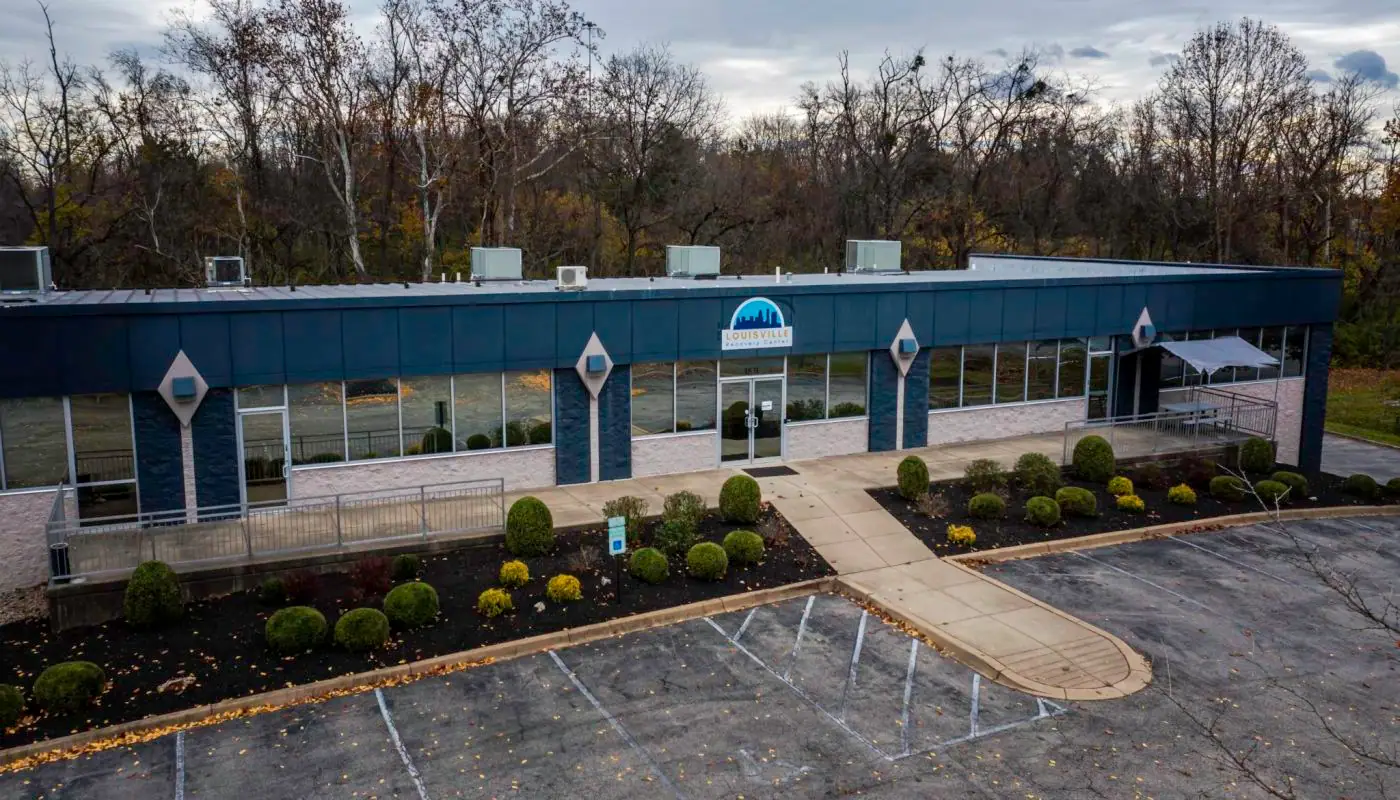
Louisville Recovery Center
5.0/536 ratings on Google
- Detox
- Co-Occurring Mental Health
Louisville Recovery Center sits on Williamson Court in Louisville, Kentucky.
- 30+ days program
- 16-30 beds
-
Louisville, KY
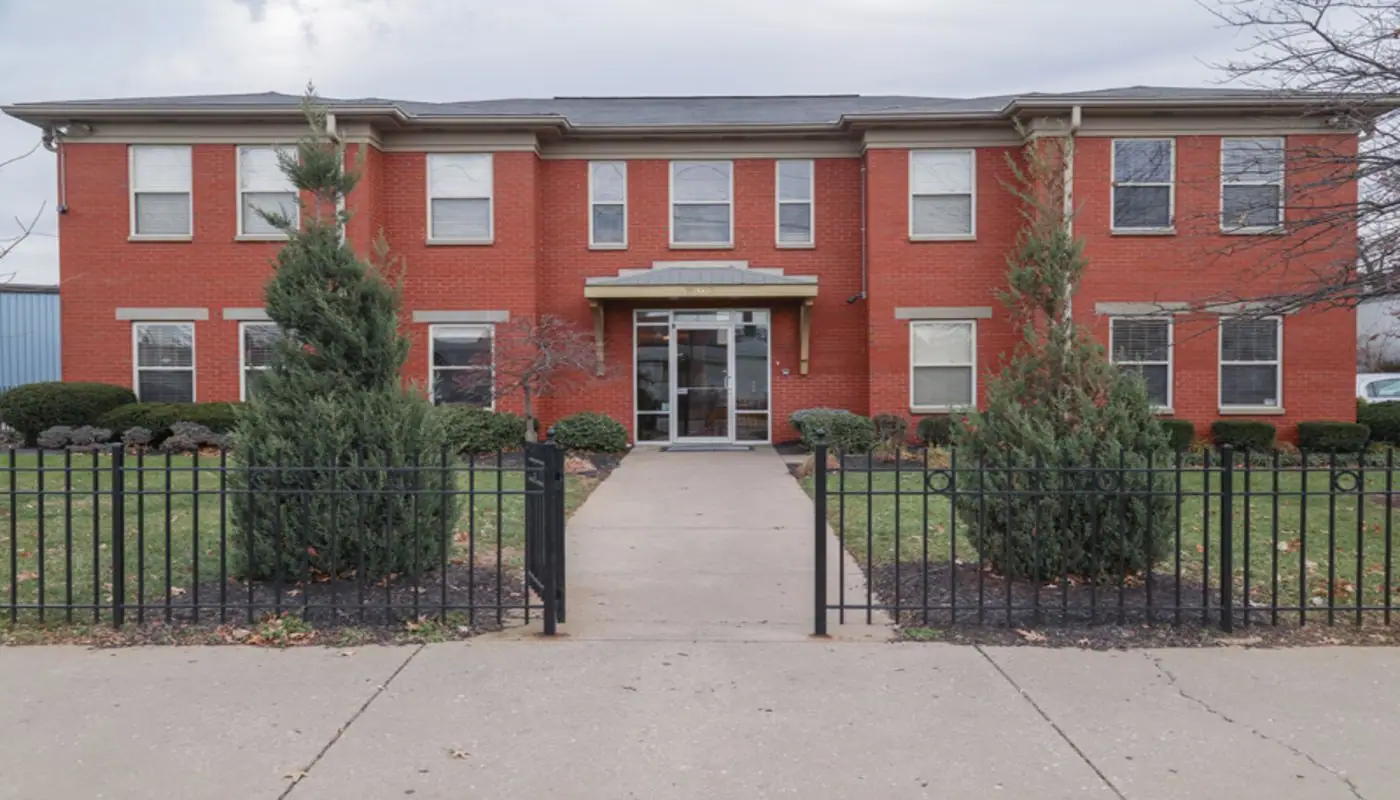
Beacon House Aftercare Program
- Residential Rehab
- Detox
- Sober Living
Beacon House Aftercare Program gives men a sober living setting in Louisville.
- 30 days program
-
Louisville, KY
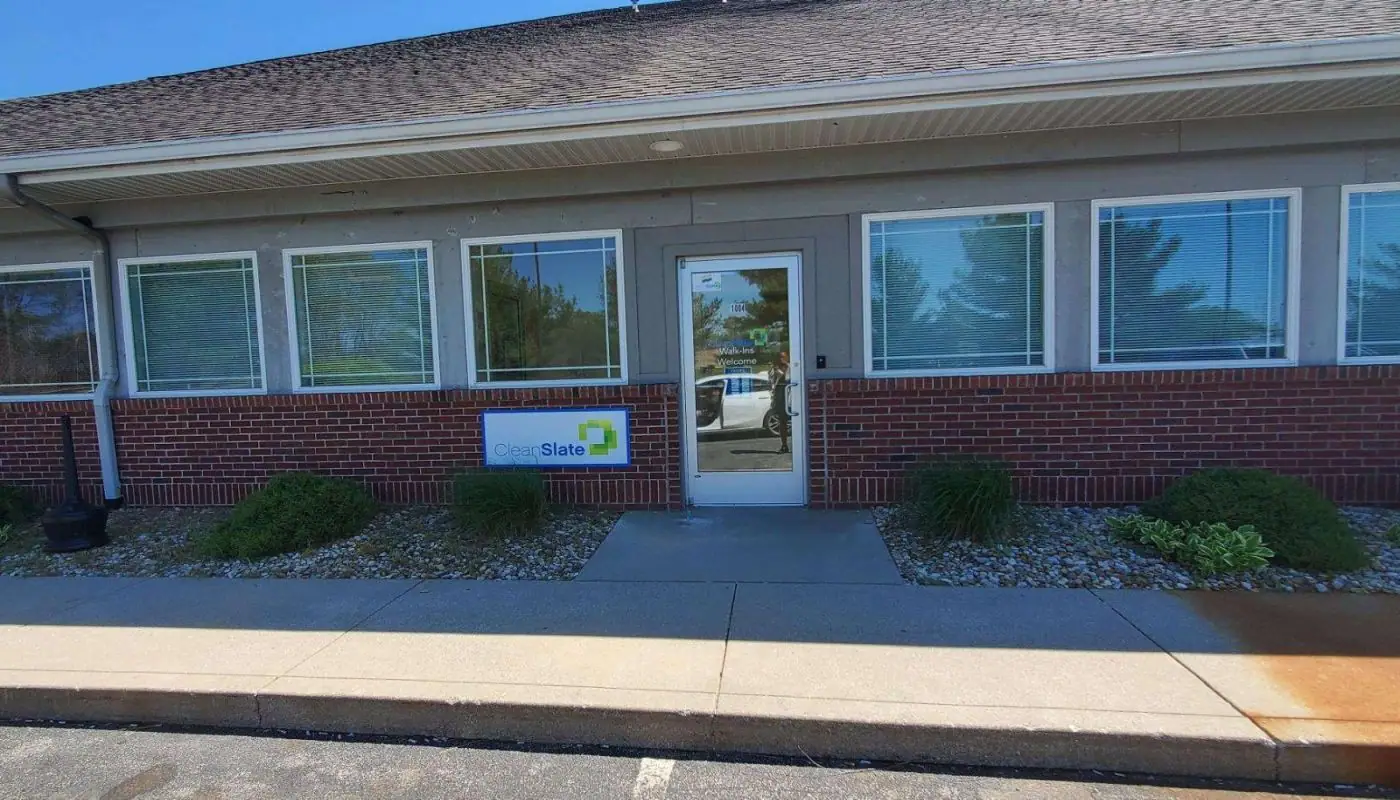
CleanSlate Centers Louisville
- Outpatient
- Co-Occurring Mental Health
Adults dealing with alcohol or opioid use disorders can receive outpatient services at CleanSlate Centers Louisville.
- 30+ days program
-
Louisville, KY
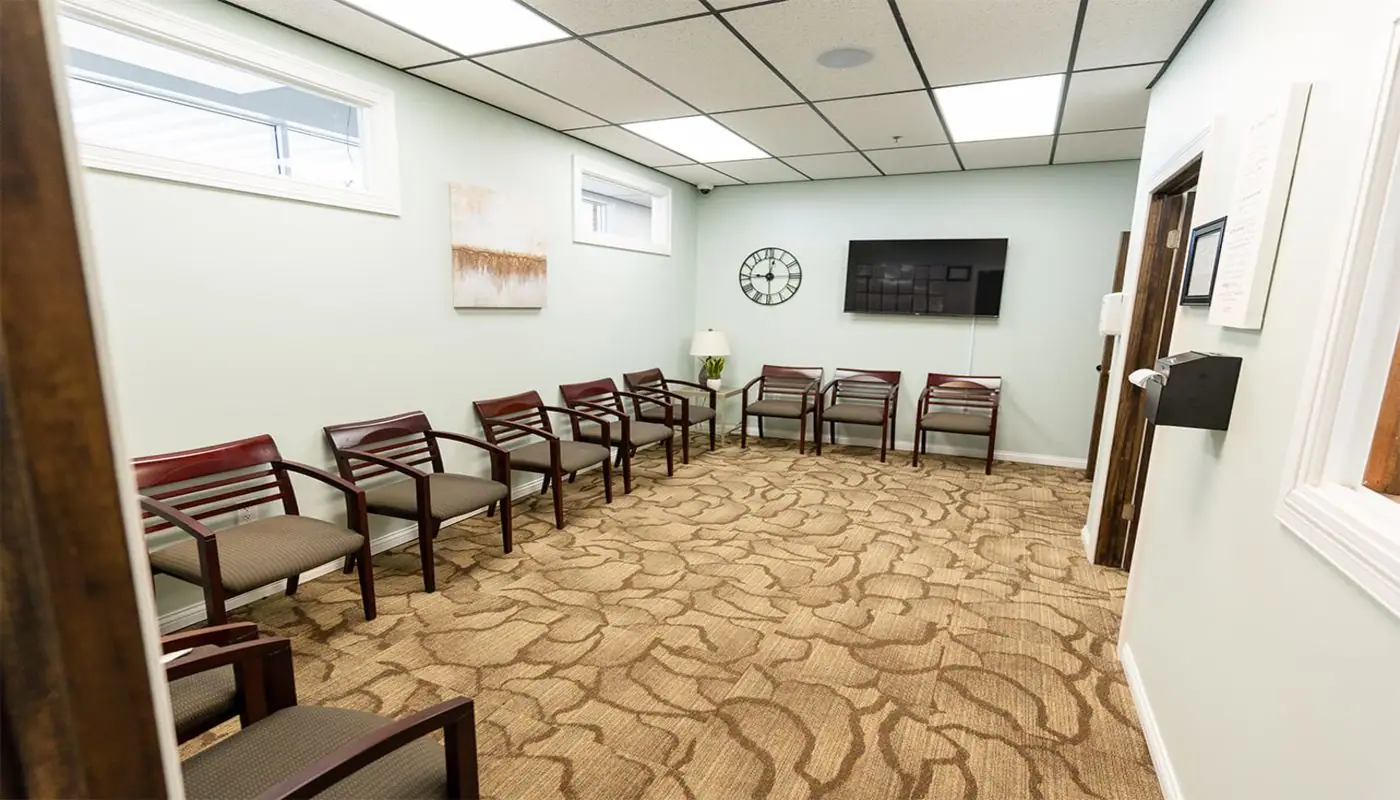
Real Hope Behavioral Health
- Outpatient
- Co-Occurring Mental Health
This page describes what Real Hope Behavioral Health - Hillview offers in Louisville.
- 30+ days program
-
Louisville, KY
A A and Associates of Kentucky
- Outpatient
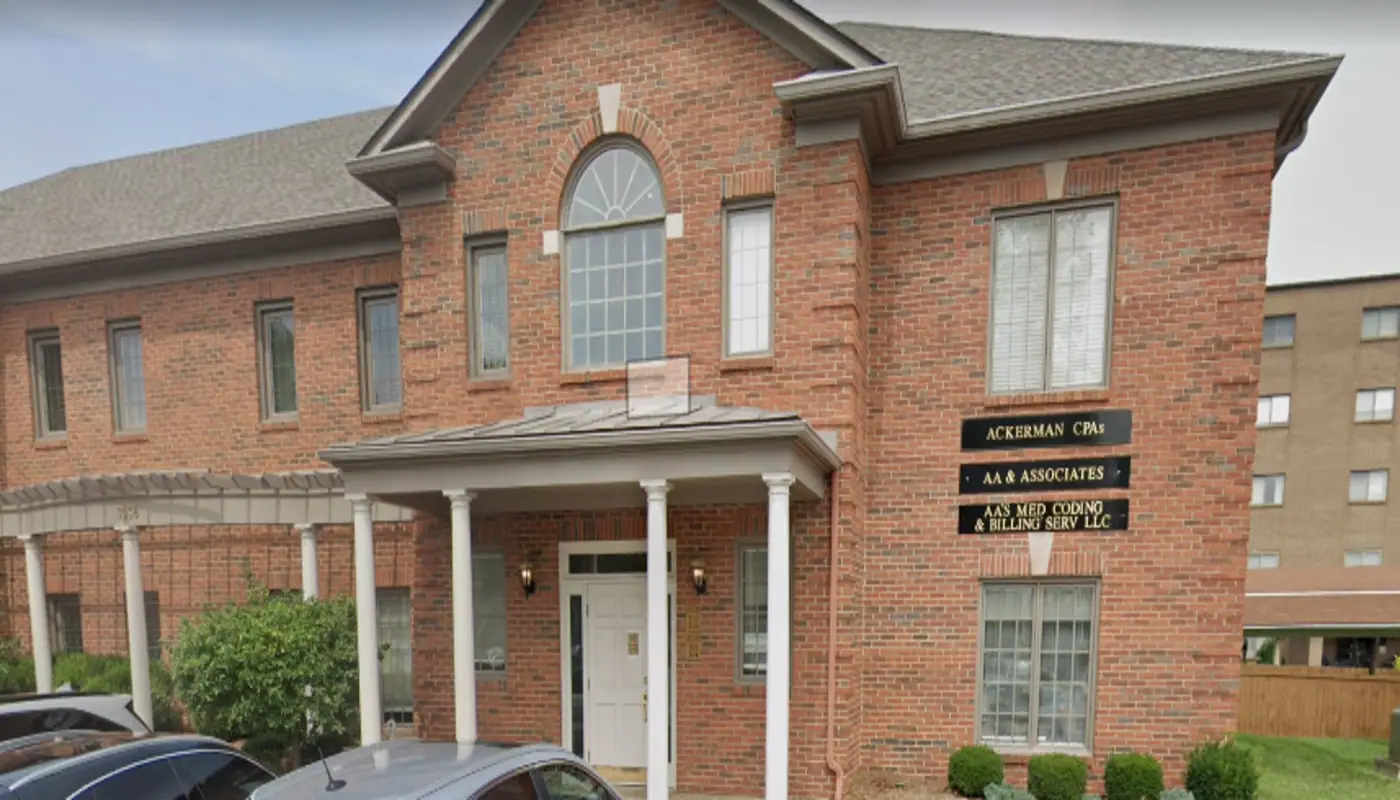
A A and Associates of Kentucky Louisville is an outpatient program on Breckenridge Lane.
- 30 days program
-
 The Joint Commission
Louisville, KY
Cedar Grove Recovery
4.3/5340 ratings on Google
- Outpatient
- Detox
Cedar Grove Recovery is a Joint Commission-accredited center in Louisville, Kentucky.
- 30 days program

FAQ
What is The Brook Hospital KMI in Louisville?
It is a Joint Commission-accredited hospital-based center at 8521 LaGrange Road in Louisville that offers residential rehab along with mental health care. It serves adolescents ages 13 to 17 and adults 18 and older, and it treats substance use disorders and co-occurring conditions together. As of November 2026, it is among 378 Kentucky facilities on SAMHSA FindTreatment.gov.
Does The Brook Hospital KMI accept Kentucky Medicaid?
The information available here does not state that, so it has to be confirmed by phone. Private-pay rates. If Kentucky Medicaid is what you rely on, ask whether your specific plan contracts with this hospital before you make any arrangements, since network participation differs by plan and by level of care.
Do people go to rehab for drinking?
Alcohol is one of the substances this center explicitly names as within its scope. For someone who drinks heavily and then quits, withdrawal may turn medically risky, so clinicians ought to monitor that stretch. If you do not know whether detox must come first, ask the center how they manage that before a residential admission.
How long does residential treatment last at this center?
The length of stay is not published, so the center is the right place to ask. Residential programs commonly run a set number of days or weeks, and discharge timing depends on clinical progress and the plan built during assessment. If you need to coordinate work or family obligations, then ask about expected duration before you commit.
Is there a recovery house in Louisville, KY, after residential care?
The center provides continuing care and discharge planning rather than housing, so the discharge plan is where those next steps get sorted. Ask during the assessment how aftercare is arranged and what options exist in Louisville. If you need a sober living arrangement, then raise it early so the planning team can account for it before discharge day.
Ways to confirm openings and coverage
Call the helpline at any hour, day or night, and a trained advisor can help you find out what The Brook Hospital KMI currently has available and what your insurance or Kentucky Medicaid plan would cover. The call is free and completely private. This site connects callers to licensed providers; it does not diagnose or provide treatment. If you are ready to compare rehabs across Kentucky, this is a low-pressure way to begin.